Generative design · computational textile research
The origin of the method - De-Coding Ikat
This study inverts the usual spine: thesis, then method, then the artefacts the method generated — because the method is the point, and it's the same one behind every system in this portfolio.
01 — Thesis
Ikat's visual complexity is often referenced as a static pattern — photographed, catalogued, imitated. The grammar that actually produces it — motif, repetition, grid — lives in weaving practice, not in design references.
Constraint
A 4-month, self-directed Master's capstone with no client and no brief beyond one I set for myself: decode the logic, don't just reproduce the surface.
Outcome
A 200-line generative program producing an unlimited number of Ikat-derived patterns from 4 motifs, 3 grids, and constrained randomised colour — earning a Merit Recognition from Srishti Institute, and becoming the rule set this site's own generative colour and pattern system is built on.
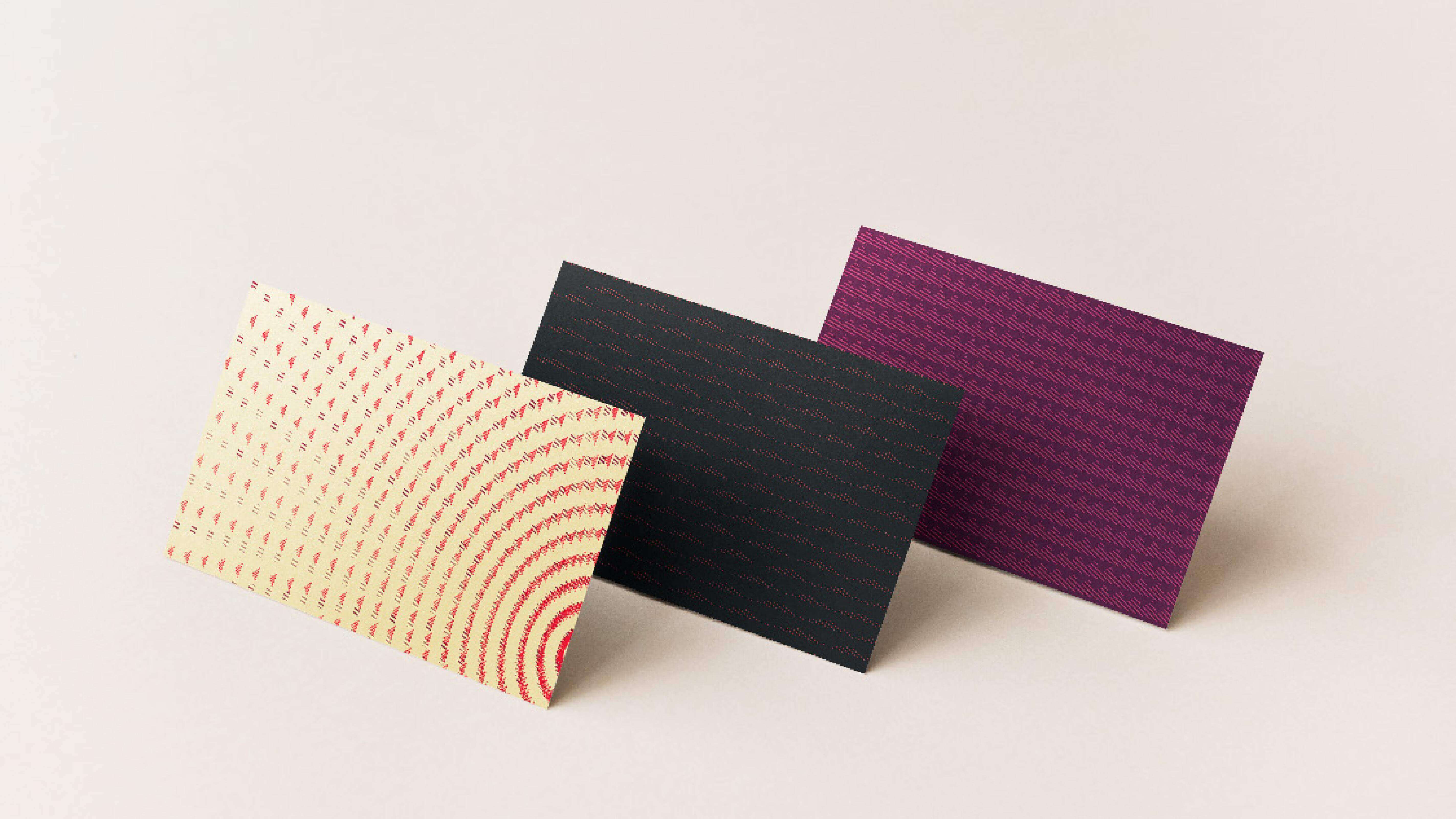
The generated pattern language, carried from textile logic into applied design.
02 — Overview
Role
Sole researcher
Timeline
4 months, full-time · 2021
Team
Independent, with faculty guidance at Srishti Institute
Platform
Generative design · computational textile research
Scale
1 rule set, unlimited patterns
Impact
4 motifs × 3 grids → 'n' patterns
Responsibilities
Outside my scope
03 — Decisions
Decision 01
Study the weavers before writing a line of code
What was true
Ikat's complexity is widely photographed and referenced, but the weaving logic that produces it is much harder to find written down anywhere.
What I chose
Visited weaving centres to observe the resist-dye and weaving process directly, grounding the pattern analysis in practice rather than in archival images alone.
What I rejected
Working solely from photographs and existing pattern references — faster, but it would have meant encoding the surface pattern without the logic that generates it.
What it cost
A large share of the 4-month timeline went to field research before any generative code existed, leaving less room to iterate on the program itself.
Decision 02
Decode motif and grid as a variable system, not a fixed template
What was true
Existing Ikat patterns look highly varied at a glance, but the field analysis showed the variation came from a small number of motifs recombined across a small number of grid structures — including a striking resemblance to the grid of Pachisi, a traditional Indian board game.
What I chose
Reduced the design space to 4 core motifs across 3 grid structures, so the apparent randomness in the generated output is a constrained combinatorial system, not arbitrary noise.
What I rejected
A purely generative, noise-driven approach to pattern-making — visually interesting, but not defensibly 'Ikat' in any way that honoured the source.
What it cost
Deliberately narrowed the visual range of the output compared to what unconstrained generative art could have produced.
Decision 03
Build the generator in code, not simulate it in a design tool
What was true
The rule system — motif × grid × colour — could have been mocked up as a set of hand-arranged compositions in a design tool, which would have looked just as finished in a portfolio.
What I chose
Wrote the rule system as an executable, 200-line Processing program, so the rules were literally running, and every pattern shown was generated, not placed by hand.
What I rejected
Hand-arranging convincing variations in Illustrator or Figma — faster to a polished deck, but an illustration of the idea rather than a demonstration of it.
What it cost
Meant working in code, under an art-school timeline, rather than in the tools the rest of the program was built around.
04 — Evidence
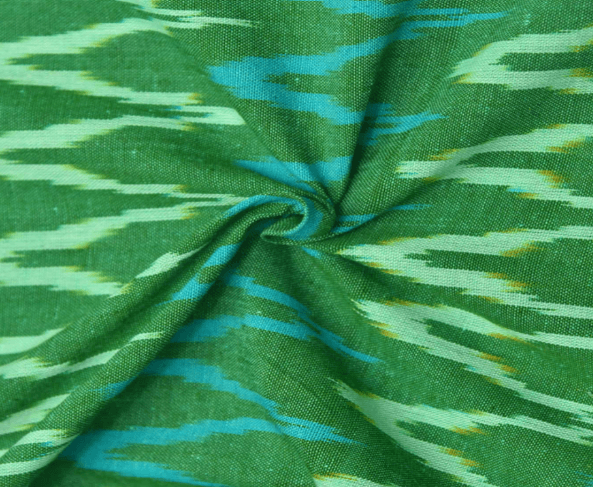
FIG. 01Ikat textile: visually rich, geometric symmetry — the reference point for the whole project.
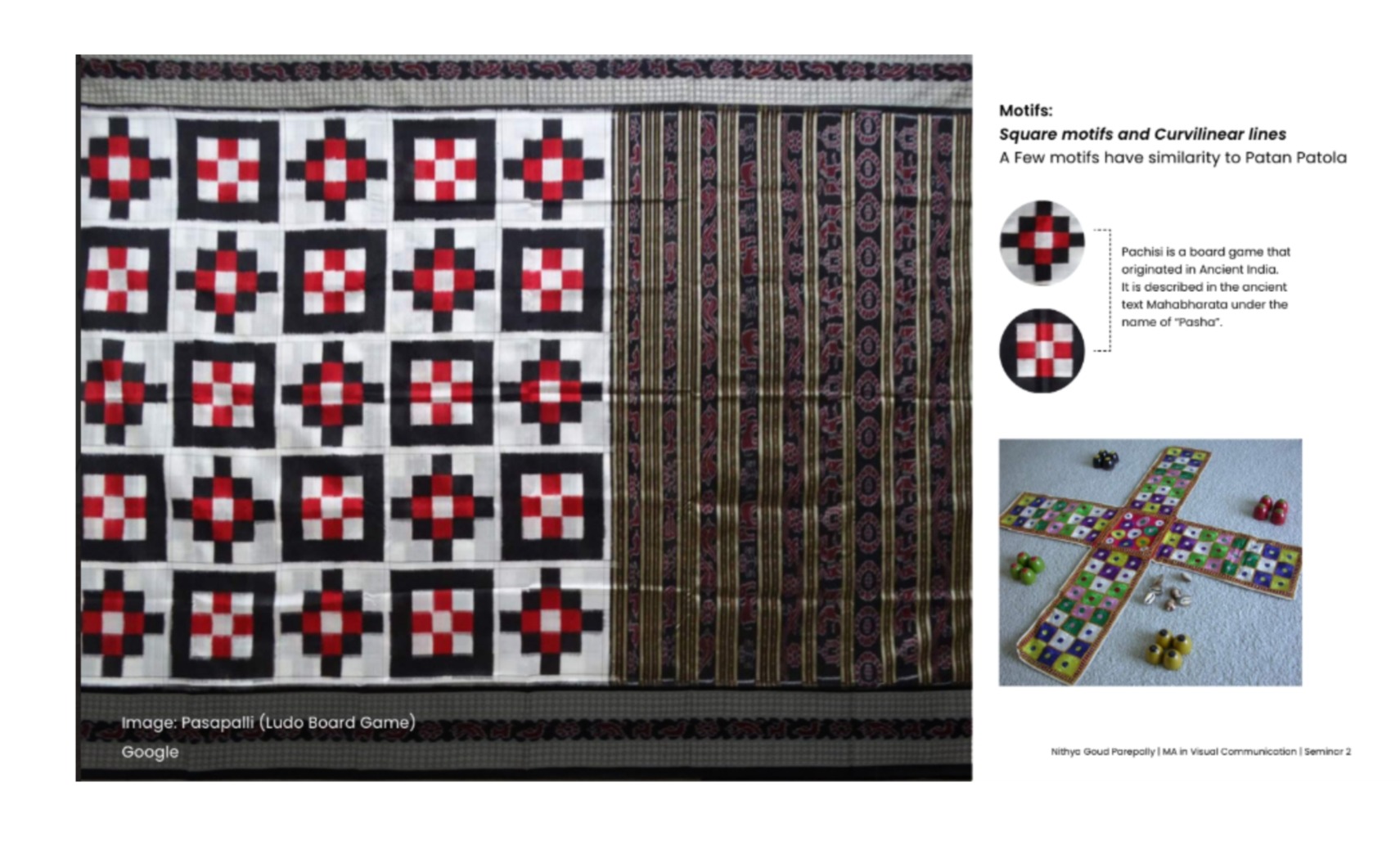
FIG. 02Ikat patterns show a striking resemblance to the layout of Pachisi, a traditional Indian board game — the insight that reframed this from imitating a pattern to decoding a grid.
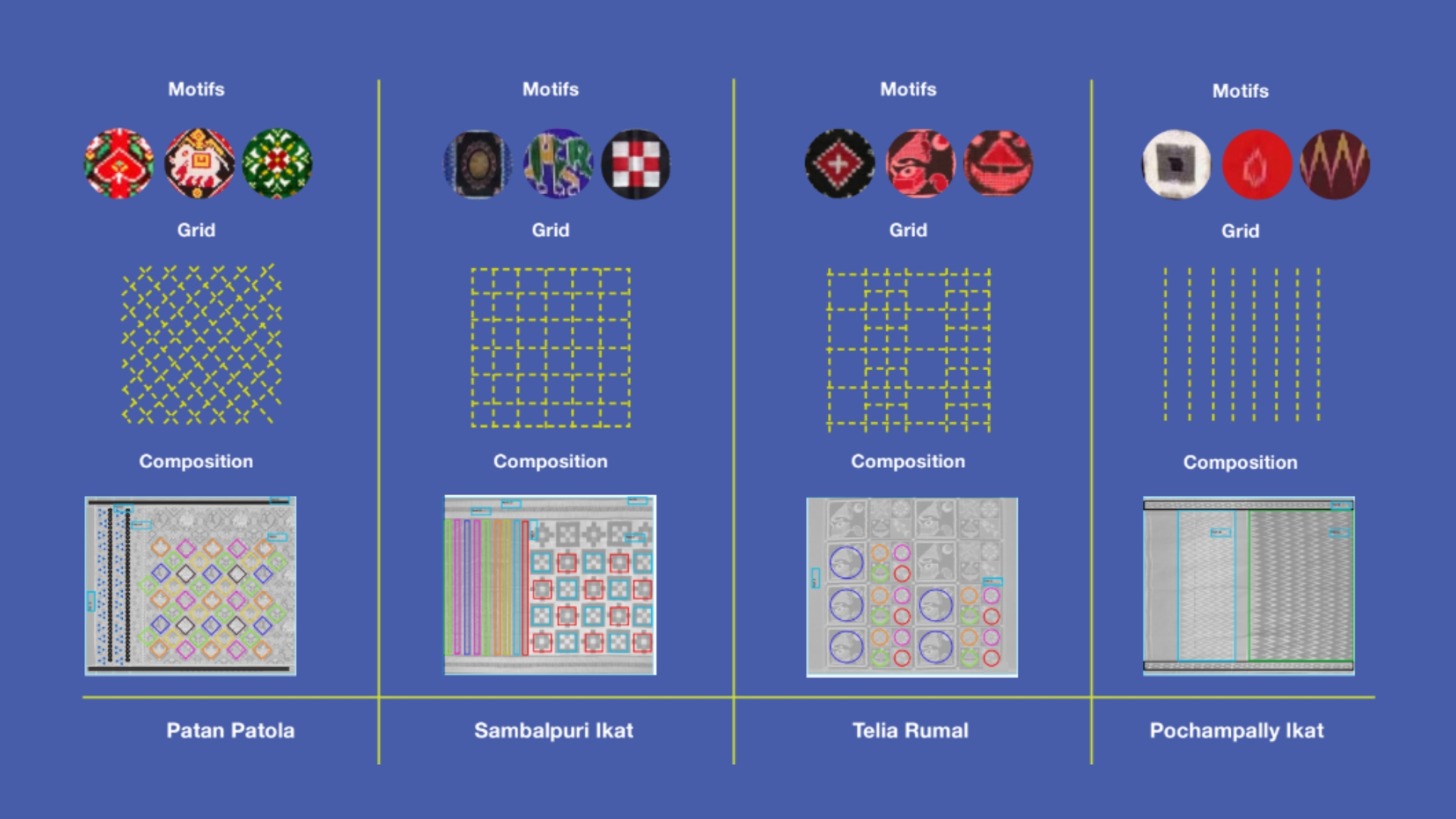
FIG. 03Pattern deconstruction across vertical, horizontal, and double-pattern structures — identifying the motifs and grids that became the generator's rule set.
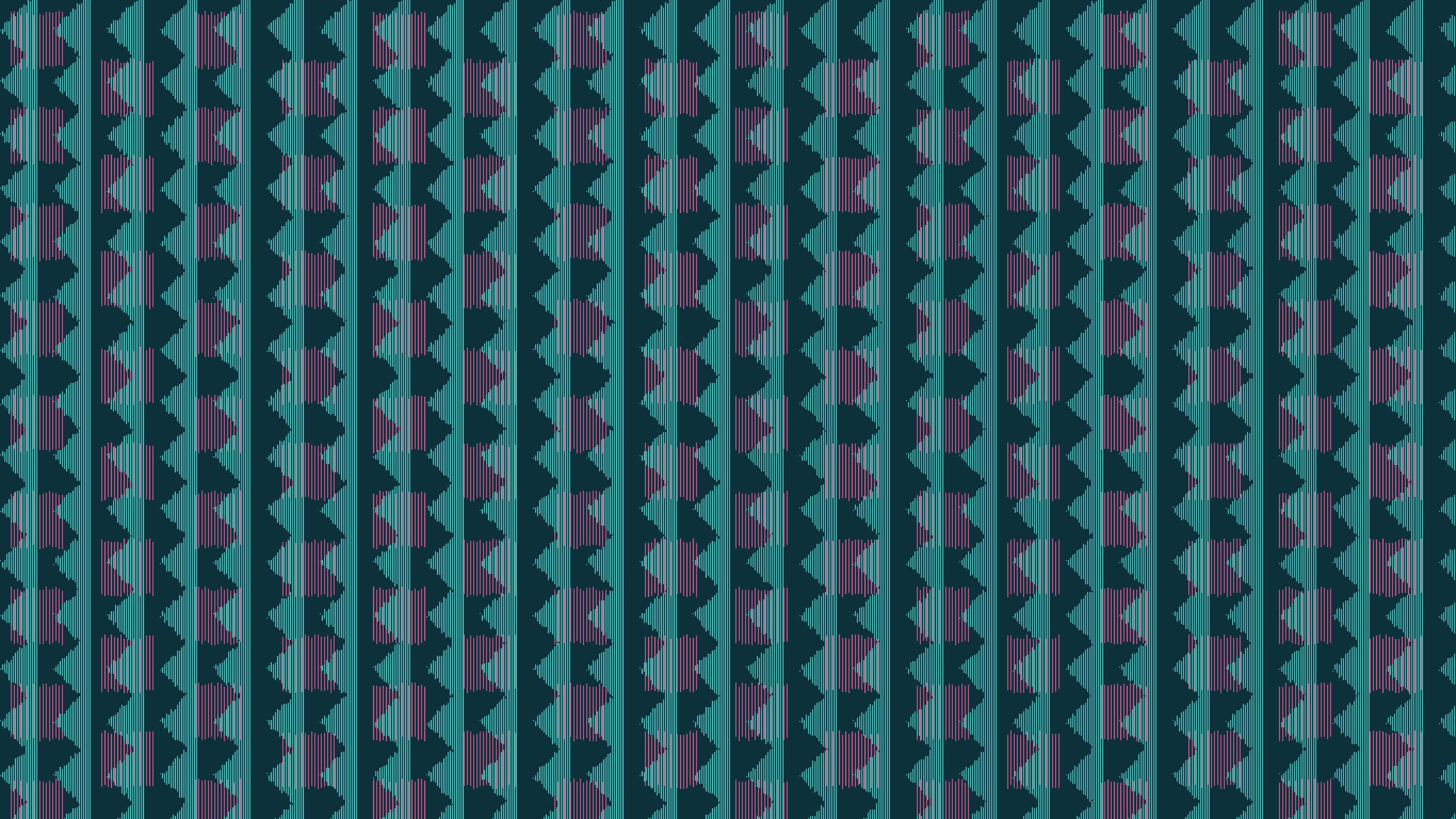

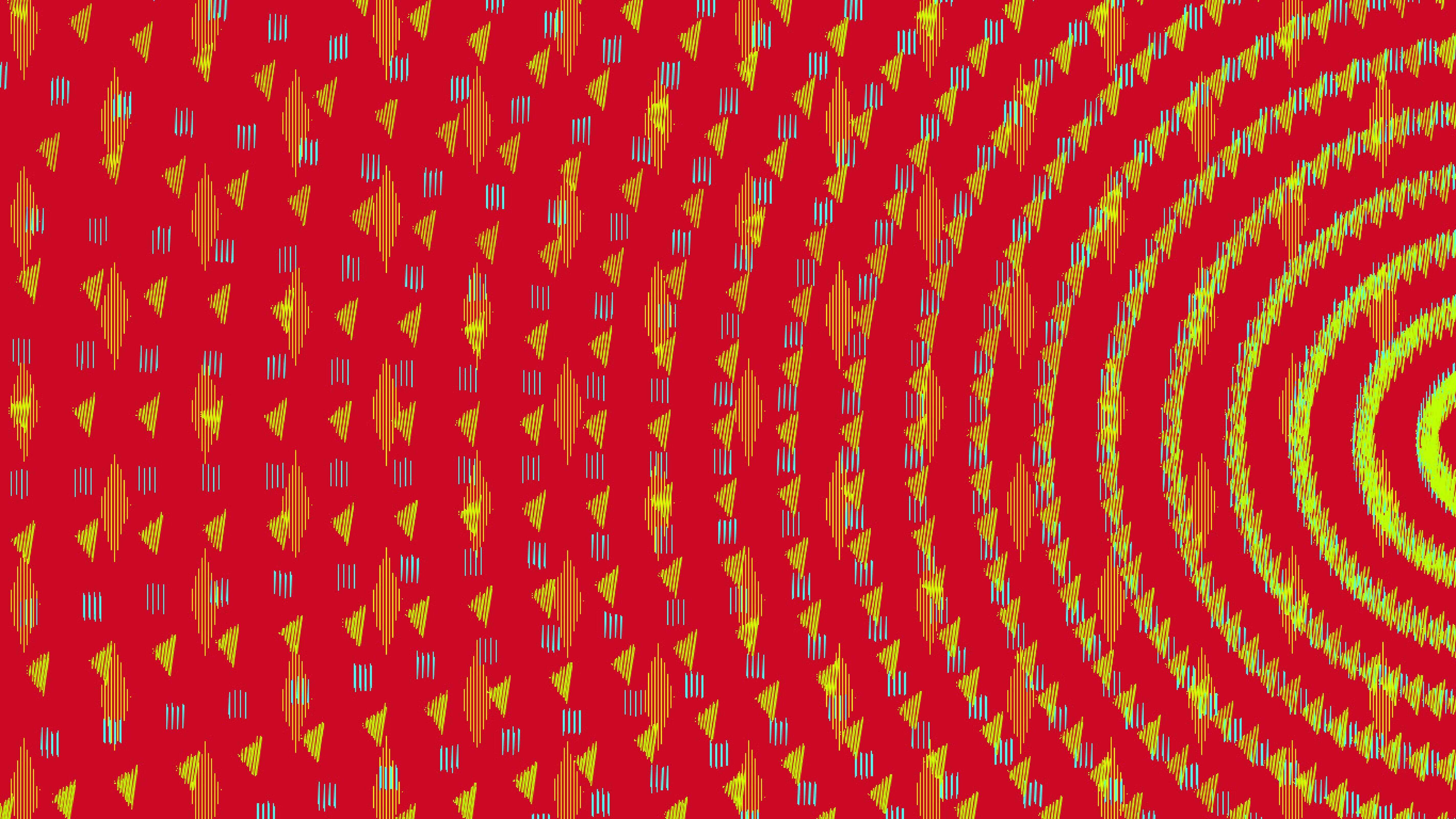
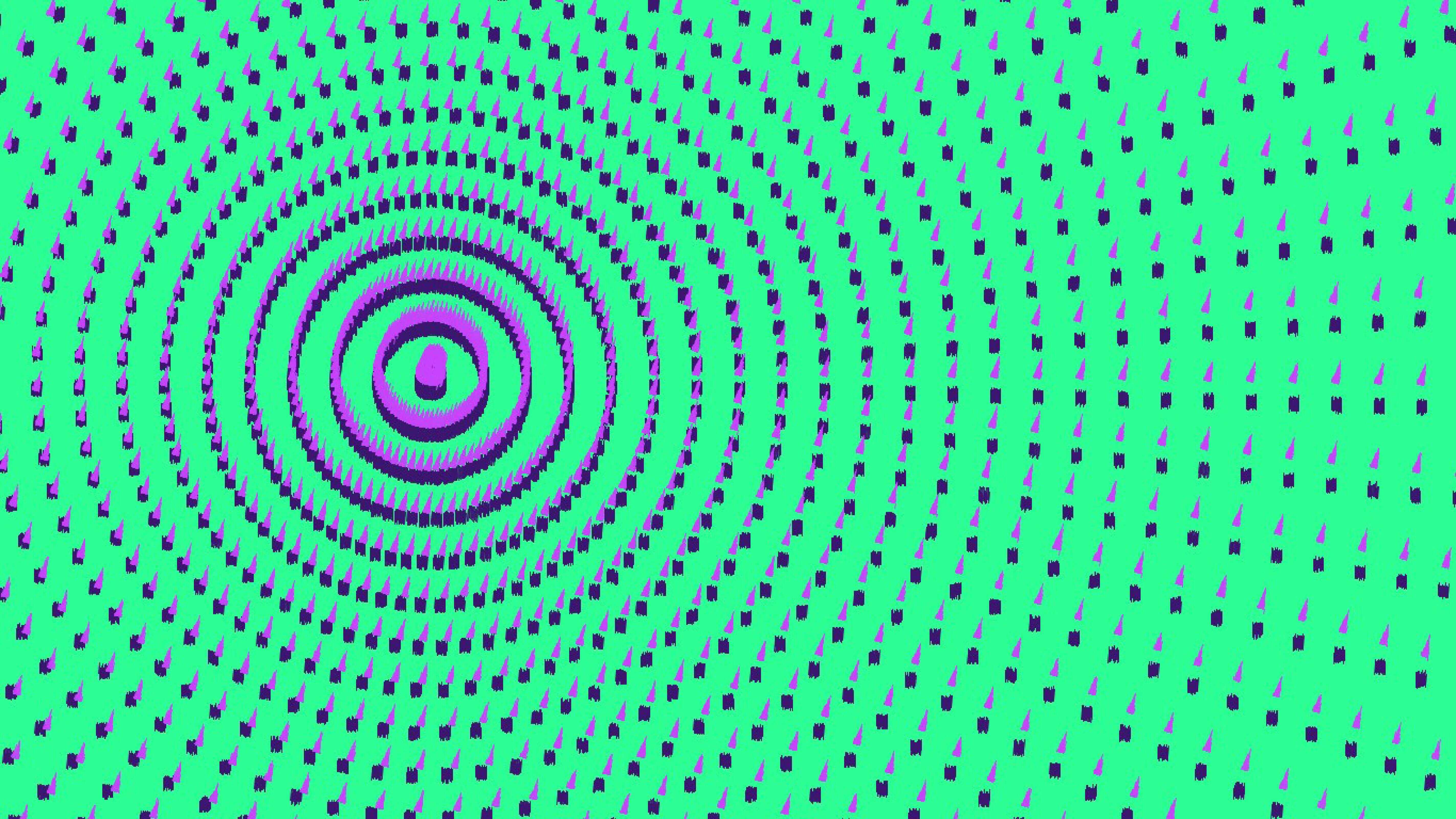
FIG. 04Four outputs of the 200-line generative program — 4 motifs, 3 grids, randomised colour, producing 'n' patterns from one rule set.
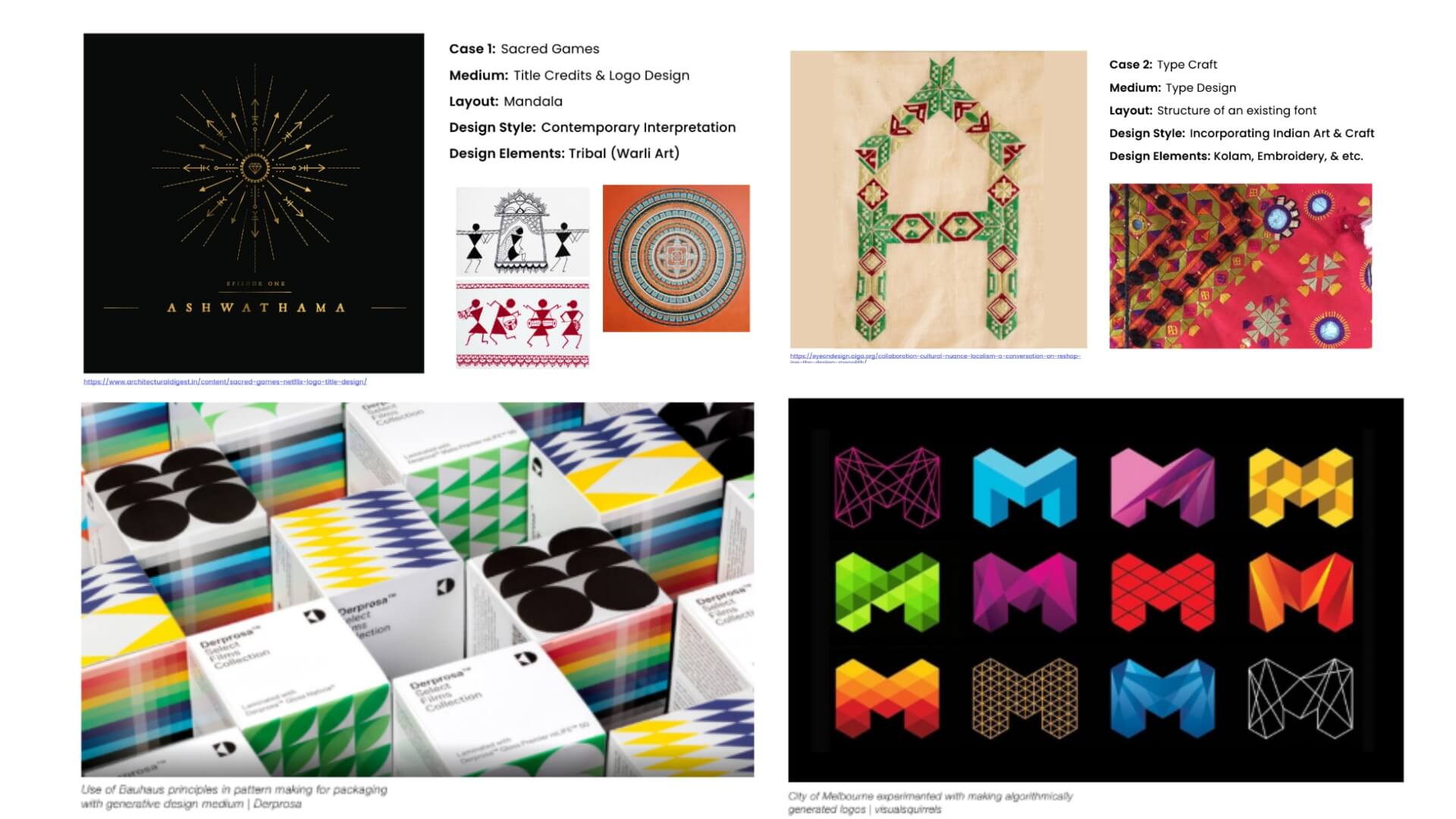
FIG. 05Continuous experimentation across grid structures — moving past the traditional constraints toward adaptive, contemporary applications.
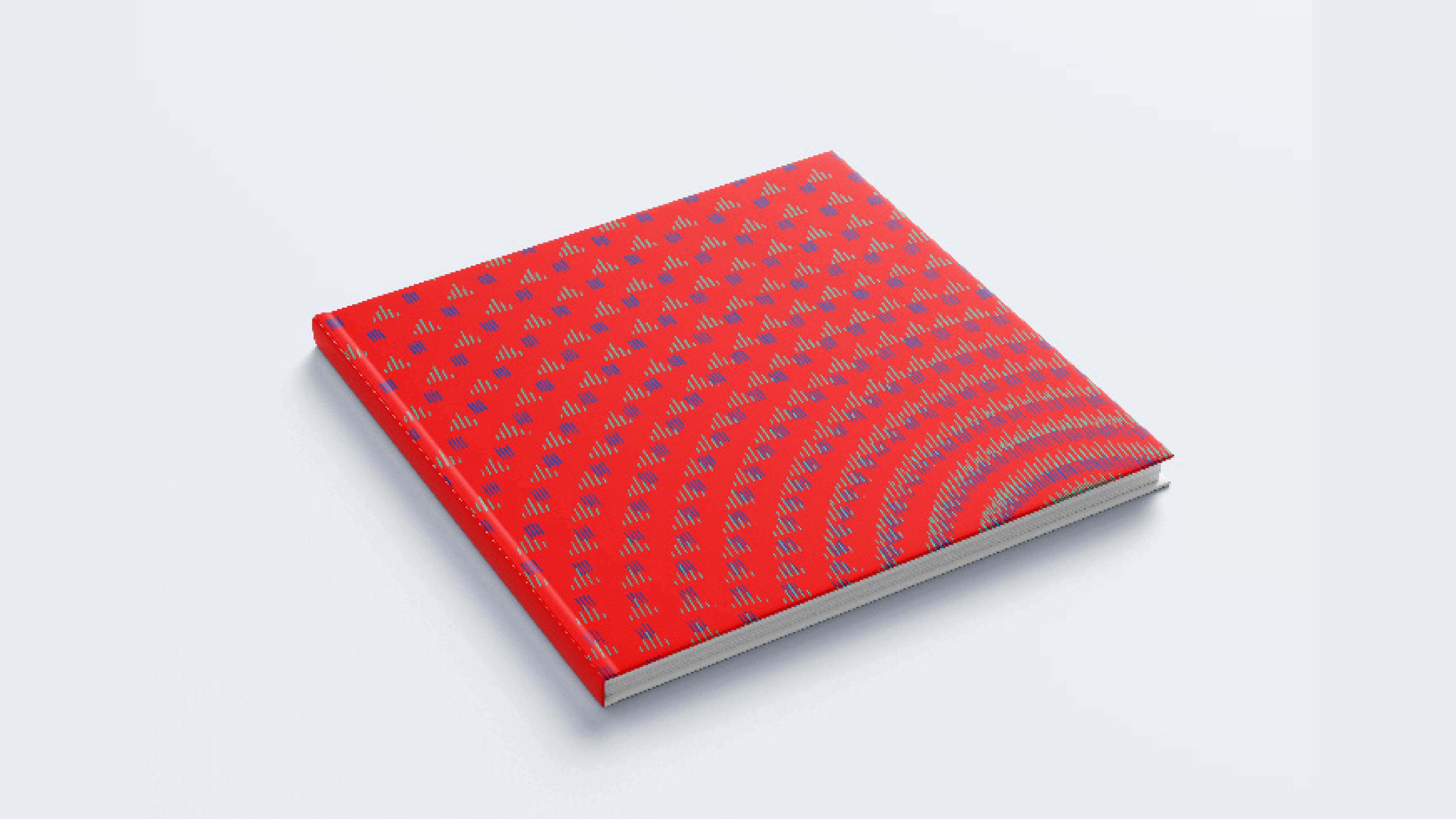

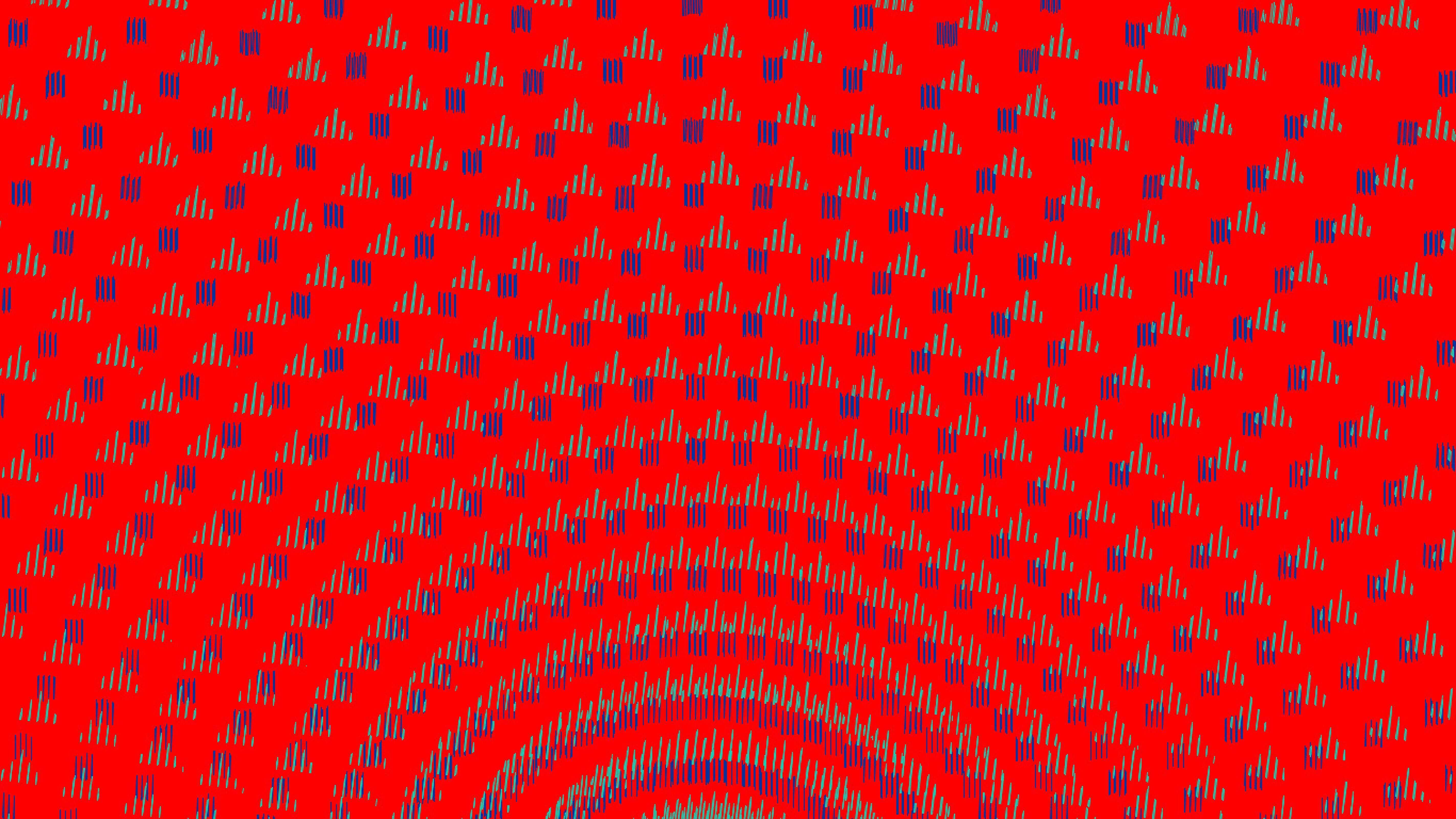
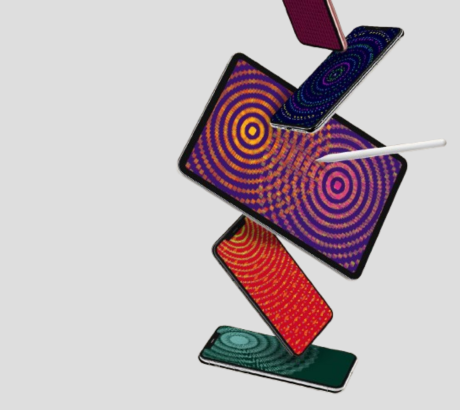
FIG. 06Applied to branding and interface mockups — the same rule set carried from textile to interface.
The rule set, live
The same motif × grid × colour logic, rebuilt for the browser. This is the system running behind this site's own generative colour and pattern — documented in full on /generative.
- Motif
- Concentric
- Grid
- Warp skew
- Seed
- 1139612223
05 — Built with engineering
For the engineers in the room
Feasibility constraints
- The rule system had to run as actual code (Processing/Java-based), not be simulated by hand-arranging outputs
- Constrained to 4 motifs and 3 grids by design, so the combinatorial space stayed traceable back to the field research rather than becoming arbitrary generative noise
- Colour was randomised within the program, an early, less disciplined version of the constrained-hue approach this site's own generative accent now uses
Handoff artefacts
- 200 lines of Processing implementing the motif × grid × colour rule set
- Generated pattern outputs applied directly to branding and interface mockups, treating the generator as a production tool, not a one-off visual experiment
Writing the generator as code rather than arranging patterns by hand was slower up front and is the entire reason the system could later be ported — the same logic now runs, rebuilt, as this site's own generative colour and pattern engine.
06 — Outcome & reflection
Merit Recognition
Srishti Institute
Awarded for generative visual systems built in code, translating Ikat weaving logic into algorithmic design
Srishti Institute, 2021
1 rule set
now runs twice — once in Processing, once as this site
The motif/grid/colour logic ported to the browser for the Generative page and this case study
This portfolio
What I'd do differently
This is the project I'd point to if someone asked what I actually believe about design: find the grammar inside something that looks unstructured, express it as rules, and let the rules generate consistent, coherent surfaces. That's not a description of generative art — it's a description of a design system. It's why an enterprise validation workflow and a woven pattern are the same kind of problem to me. The generative colour you were given when you landed on this site, and the accent running through it, came from this rule set. Now you know why.
Process appendix— 4 sections, research and iteration detail
Motivation & audience
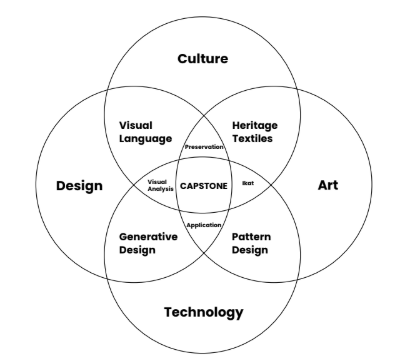
Motivated by how art, design, and technology intersect to reinterpret traditional craft — intended for designers, artists, and technologists interested in Indian visual language, computational design, and craft-informed innovation.
Field visits & research
Research began with a study of global and Indian Ikat traditions, followed by field visits to weaving centres for direct exposure to the weaving technique and the cultural narrative embedded in it.
Experimentation & iteration
Ikat-inspired motifs were developed through continuous experimentation across grid structures and compositions, moving beyond the traditional constraints toward adaptive, contemporary applications.
Impact & takeaways
Cultural and technological contribution: reimagining a cultural aesthetic for a contemporary audience through generative design.
Personal growth: strengthened coding, cross-disciplinary thinking, and problem-solving, and deepened an understanding of the synergy between art and technology.
This marked a pivotal step toward exploring how technology can carry cultural narratives forward — a thread that now runs through every system-heavy project in this portfolio.