Skip to content
Nithya Parepally

Code & AI

Selected work where design meets code and AI.

012026

Evaluated an AI assistant against its own design principles

What it was

An AI assistant added to Ericsson's internal HR platform, meant to help employees and line managers draft periodic performance goals faster.

What I did

Evaluated it two ways: scored every friction point against five published AI design principles — human in control, augment human capabilities, ethically aligned design, efficient automation, explainable AI — and ran a 5-participant study across employees and managers using it to generate real goals.

What I found

Explainability scored worst of all five principles, and that gap showed up twice in the user study — nearly every participant rewrote the assistant's suggestions rather than trust them, and the more visible AI-assist entry point was used less than the plain 'Generate' button people defaulted to out of habit.

022025

Designed transparency into an AI-prioritized platform

What it was

A North American grocery distribution company's B2B messaging platform, routing urgent order and delivery updates to thousands of retail customers, was adding AI-driven message prioritization.

What I did

Designed a transparency framework around it: a visible explanation for every AI-flagged ranking, a feedback loop to correct it, and a manual override that never required going around the system. Research ran on two tracks — structured interviews, and AI topic modeling over a much larger forum-and-ticket corpus.

What I found

The two tracks disagreed. Topic modeling surfaced a pain point interviews never once mentioned — operational bottlenecks customers had normalized as just how the process worked — and 8 of 8 users confirmed it as real once it was named back to them.

032023, ongoing

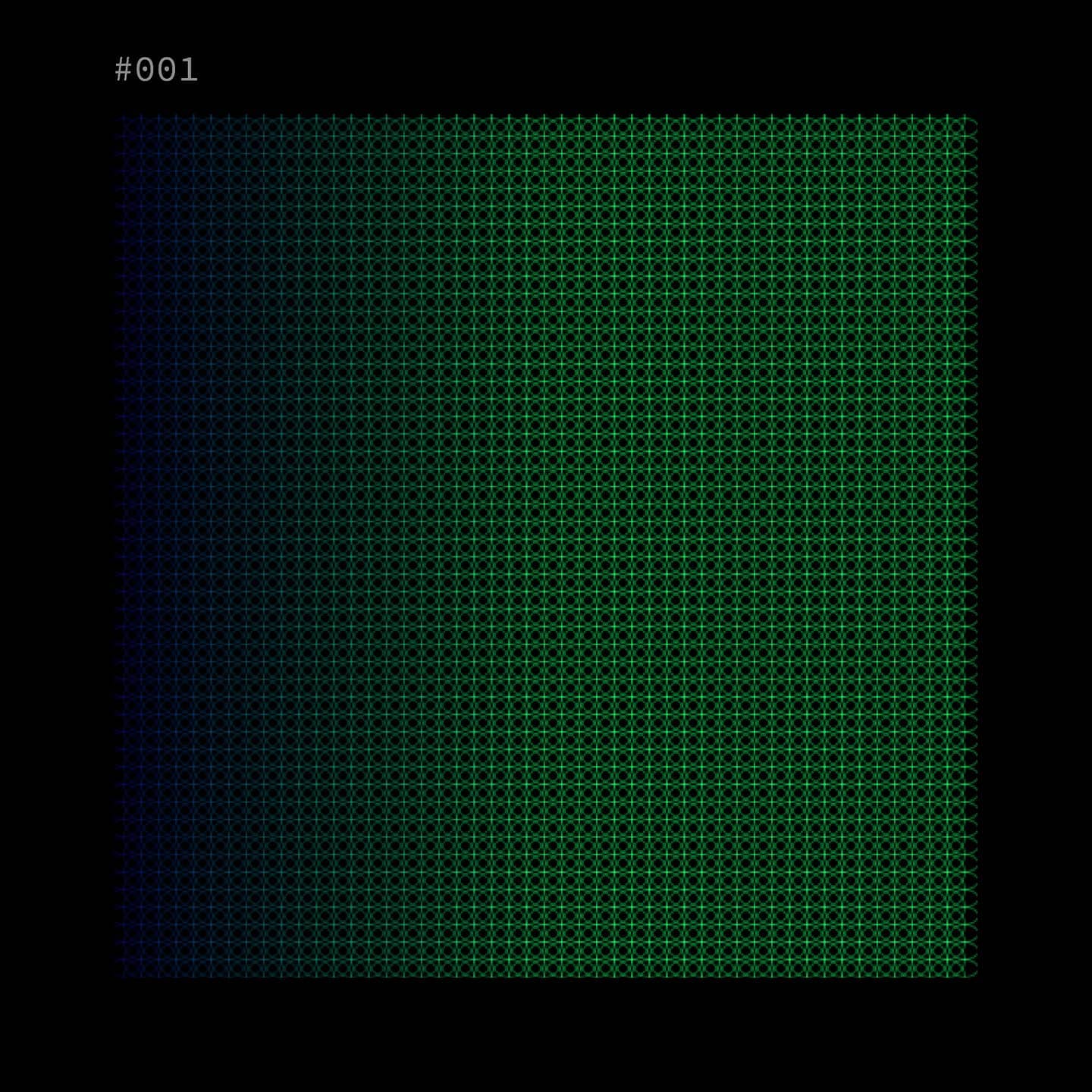
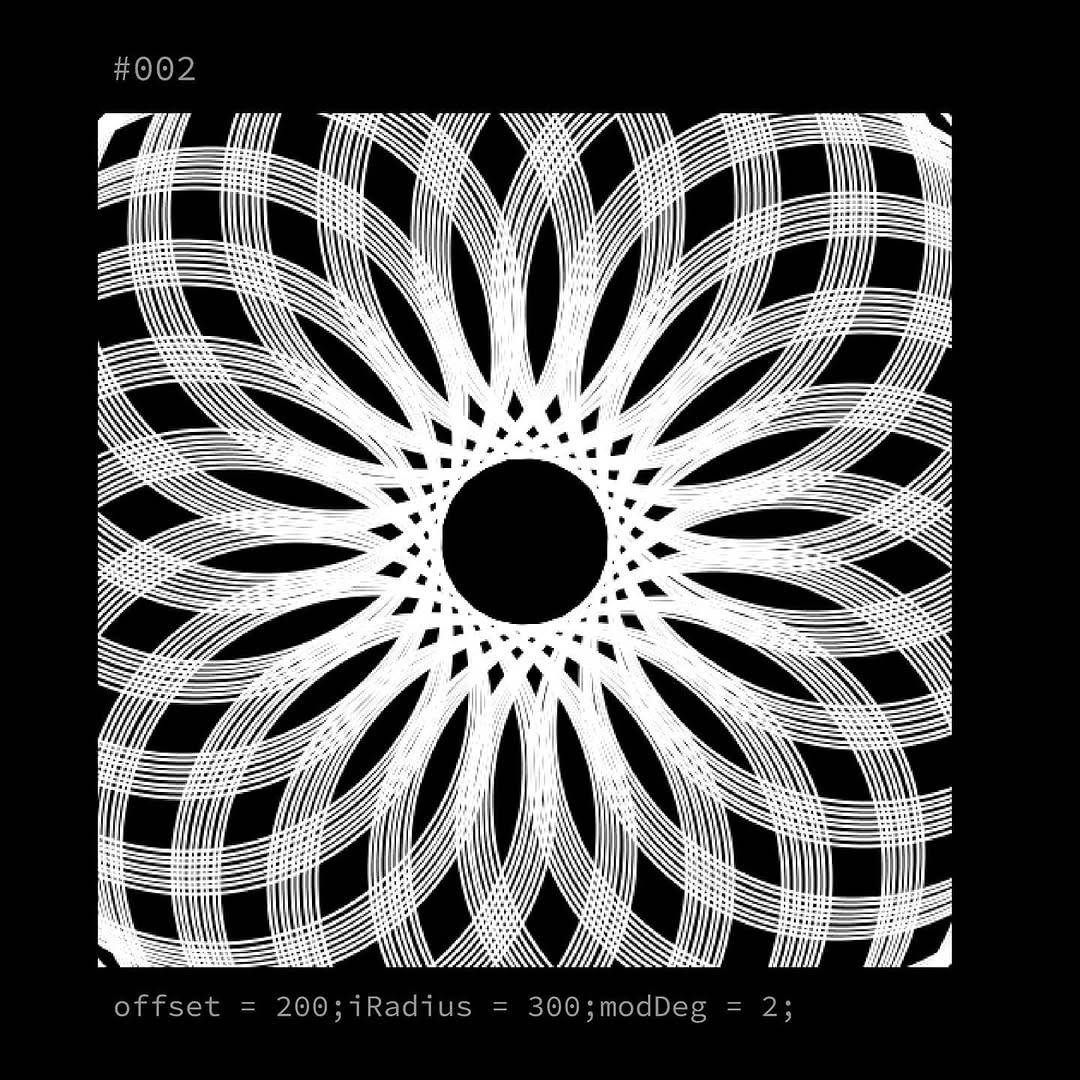
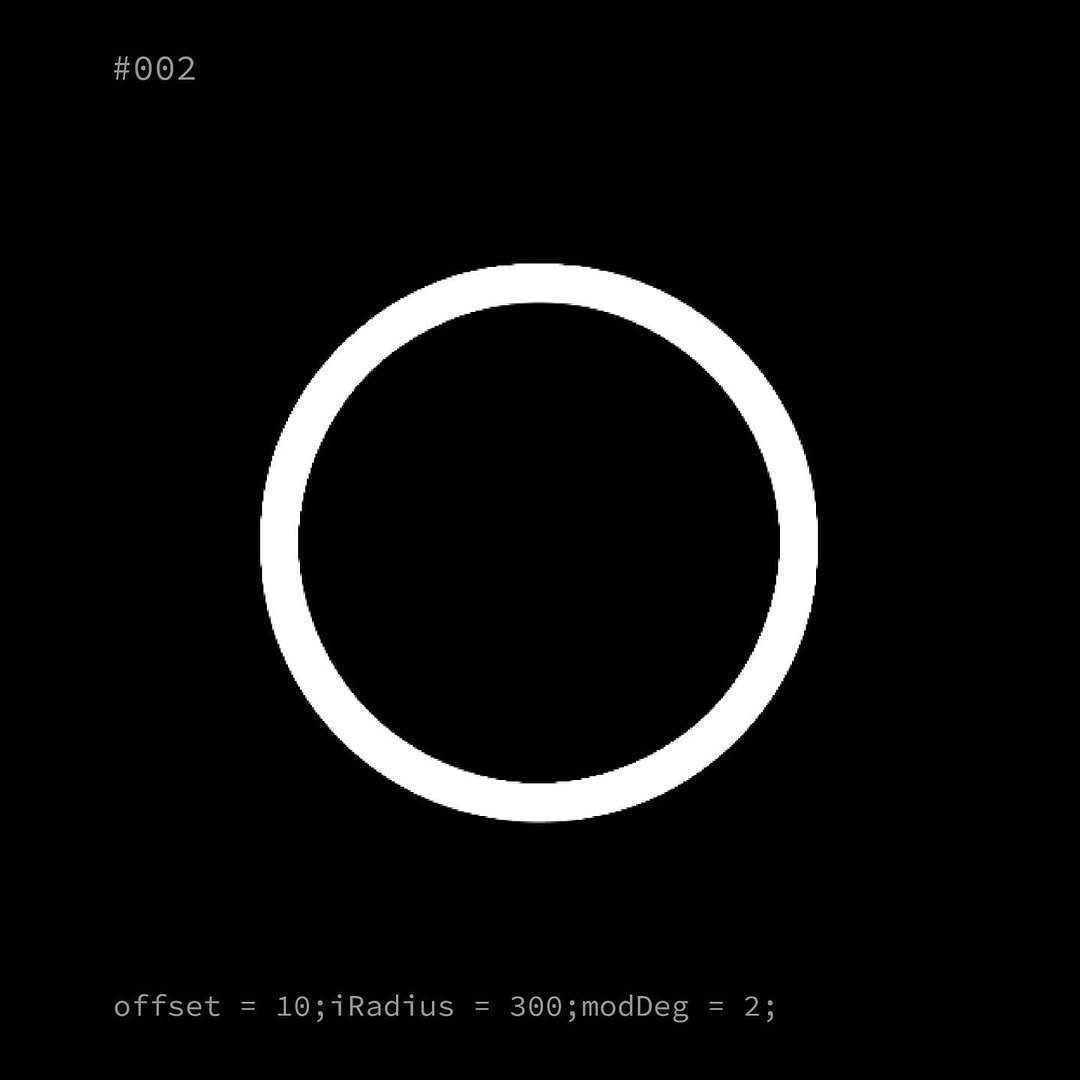
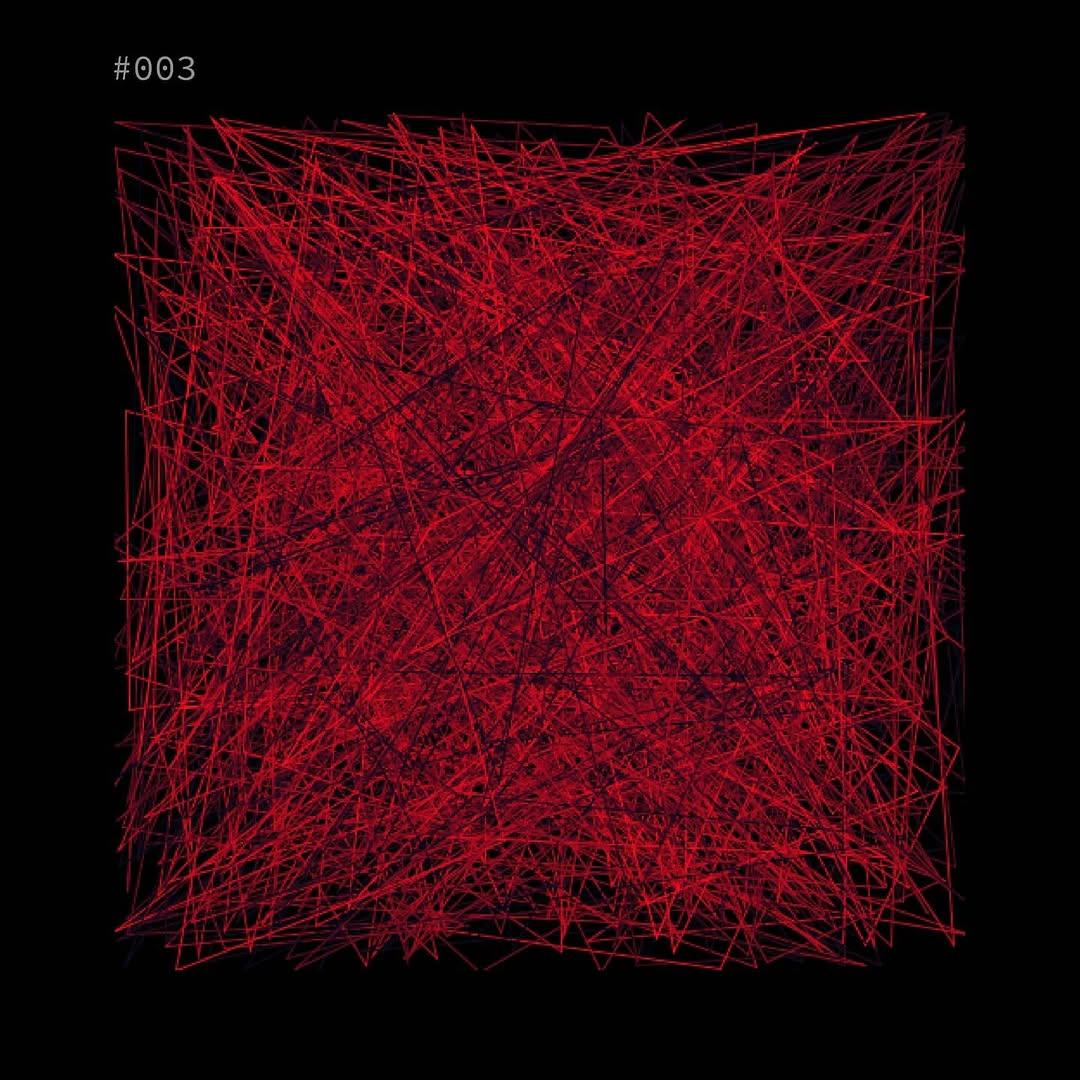
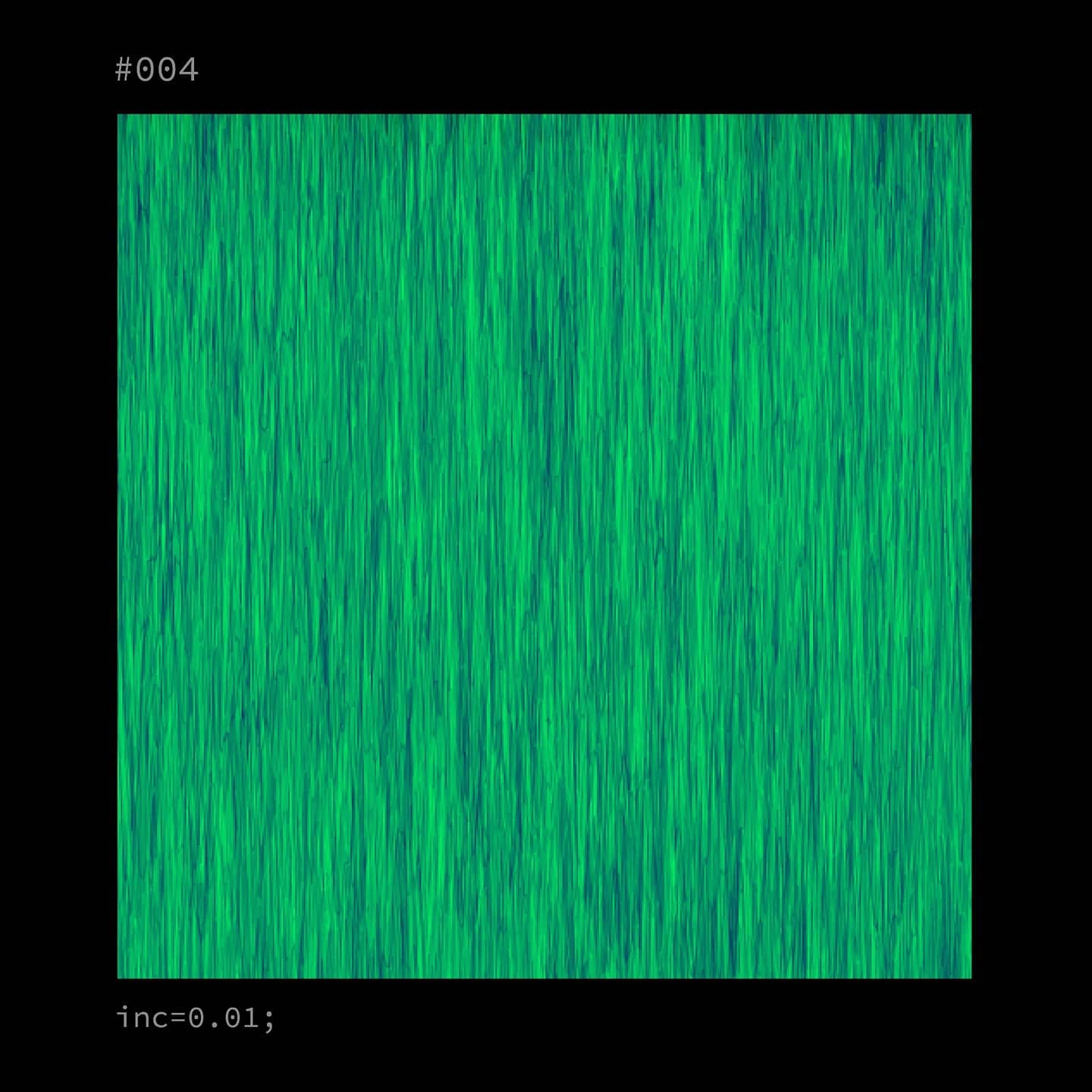
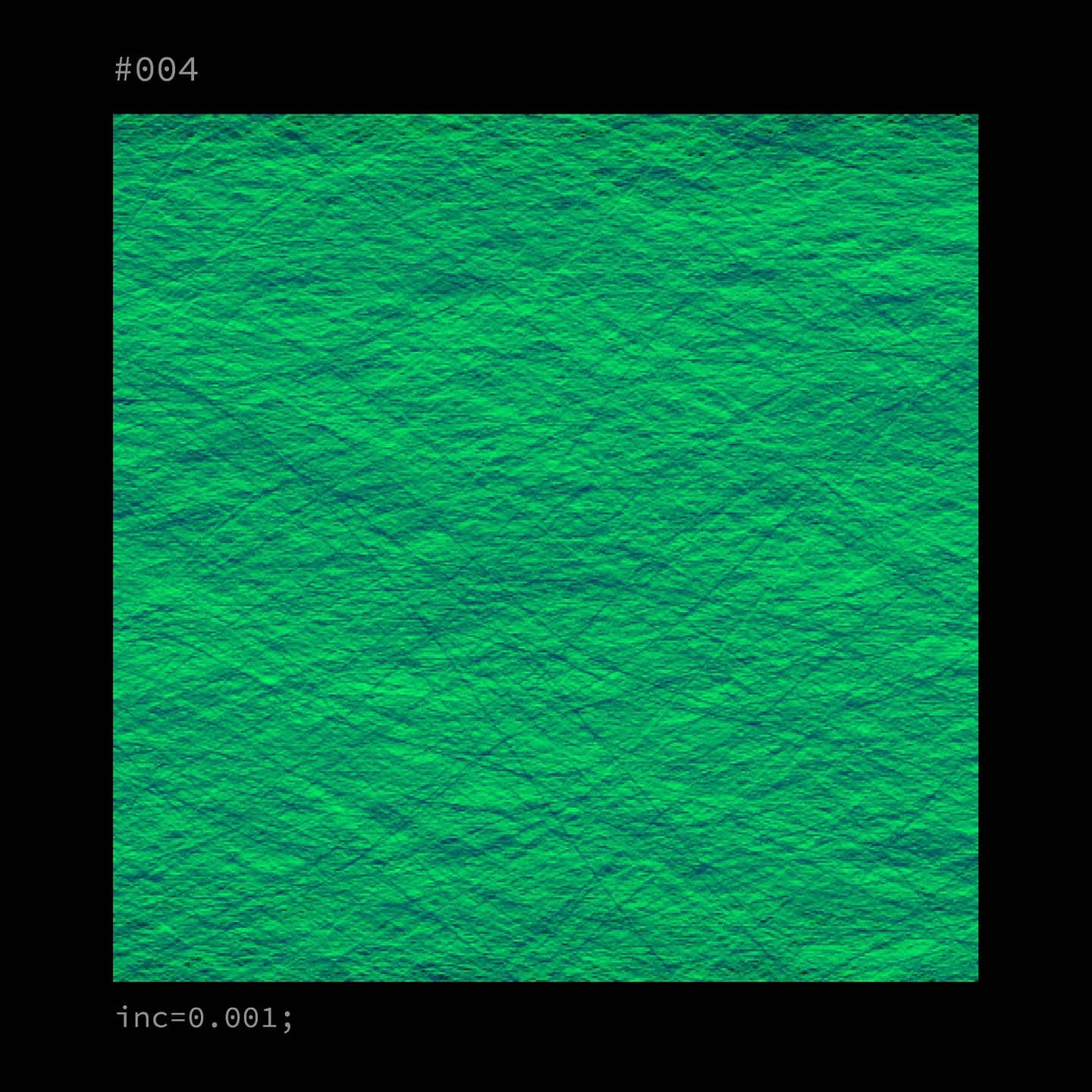
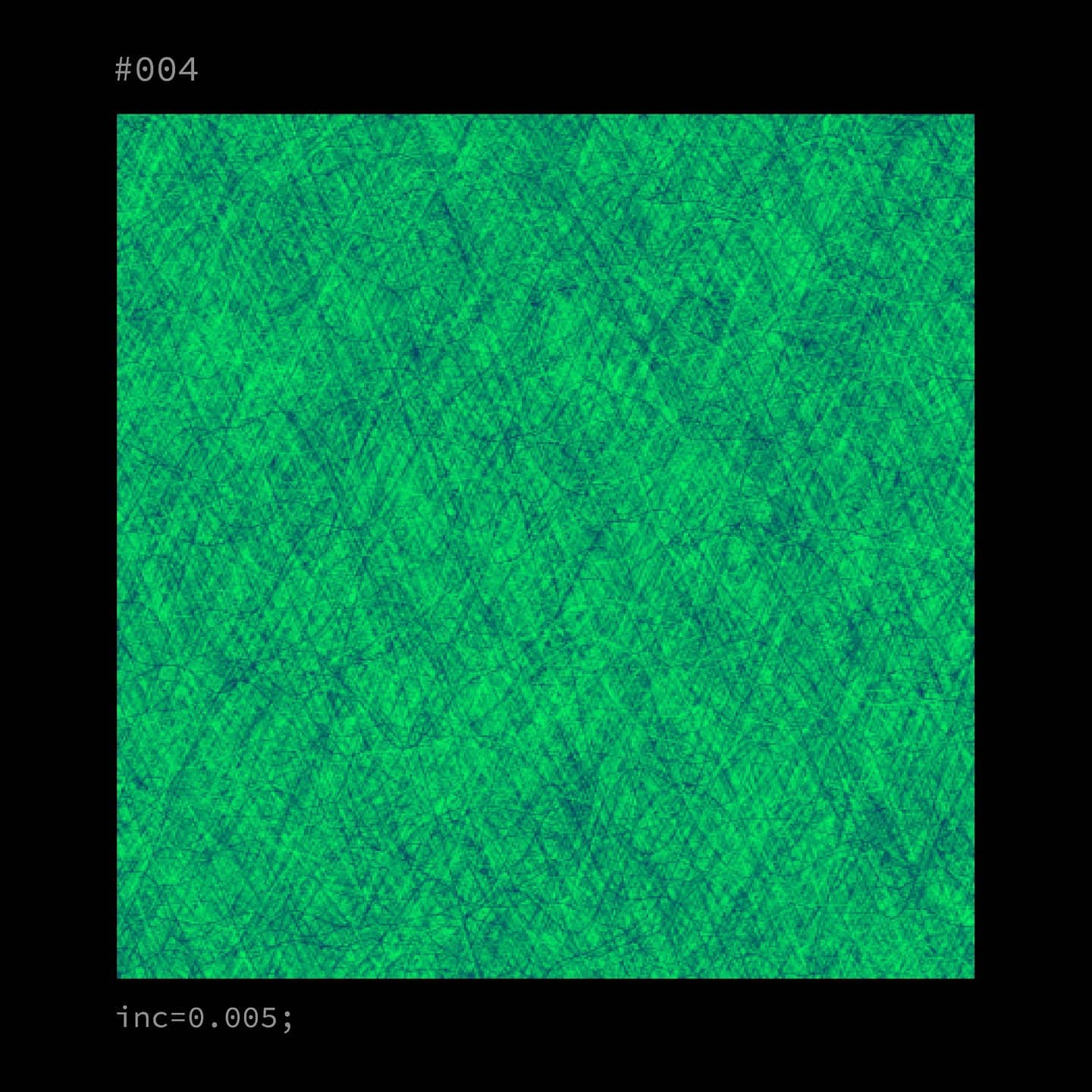
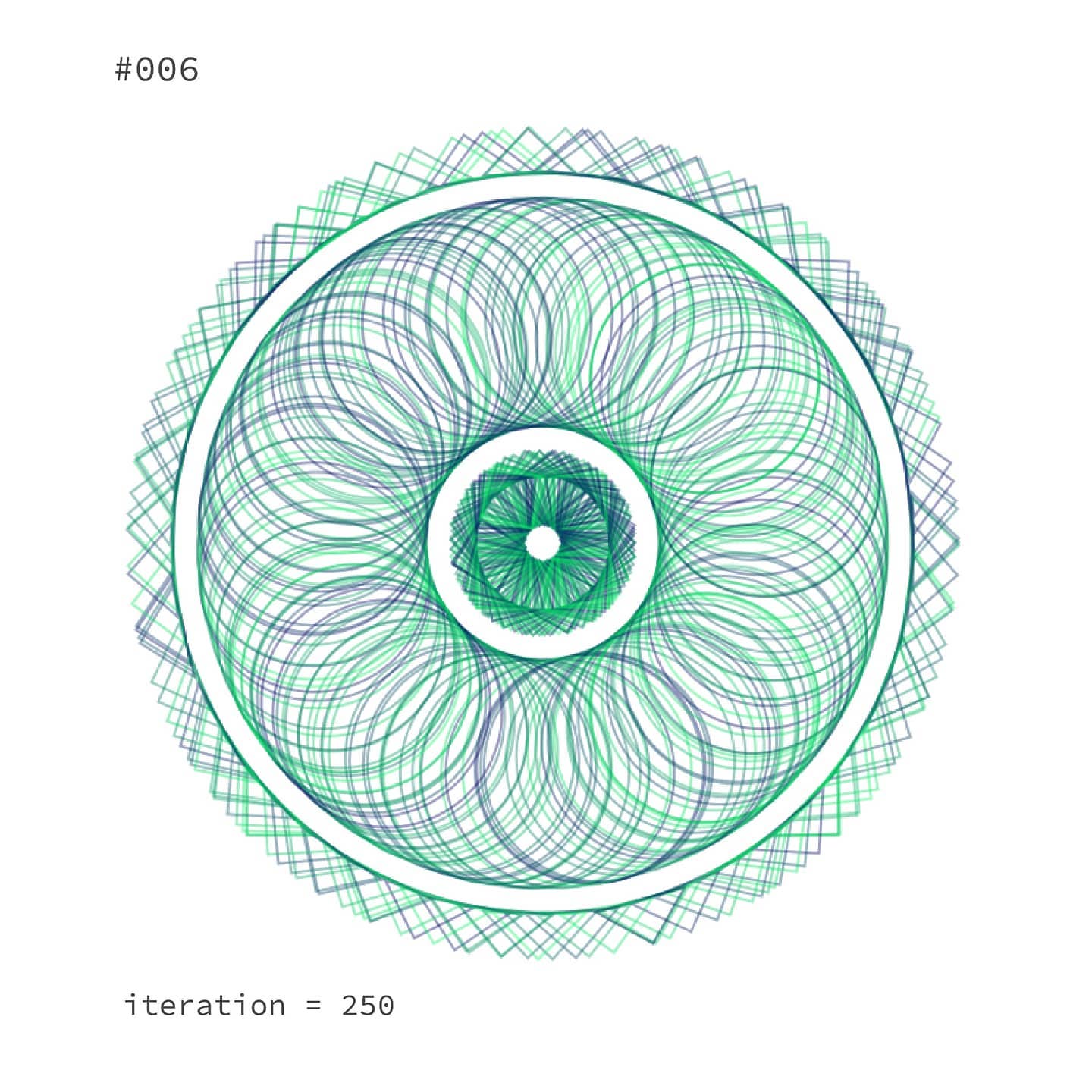
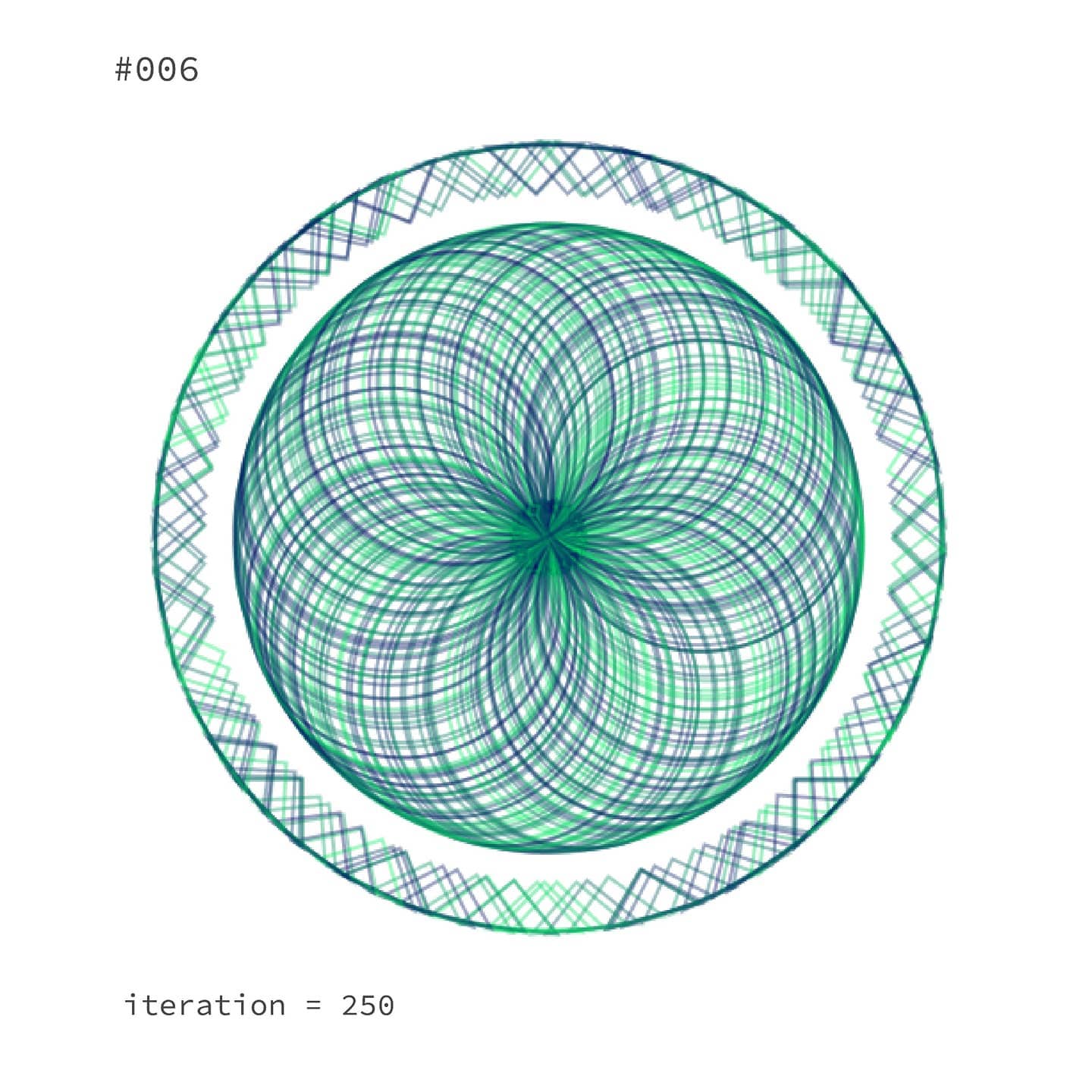
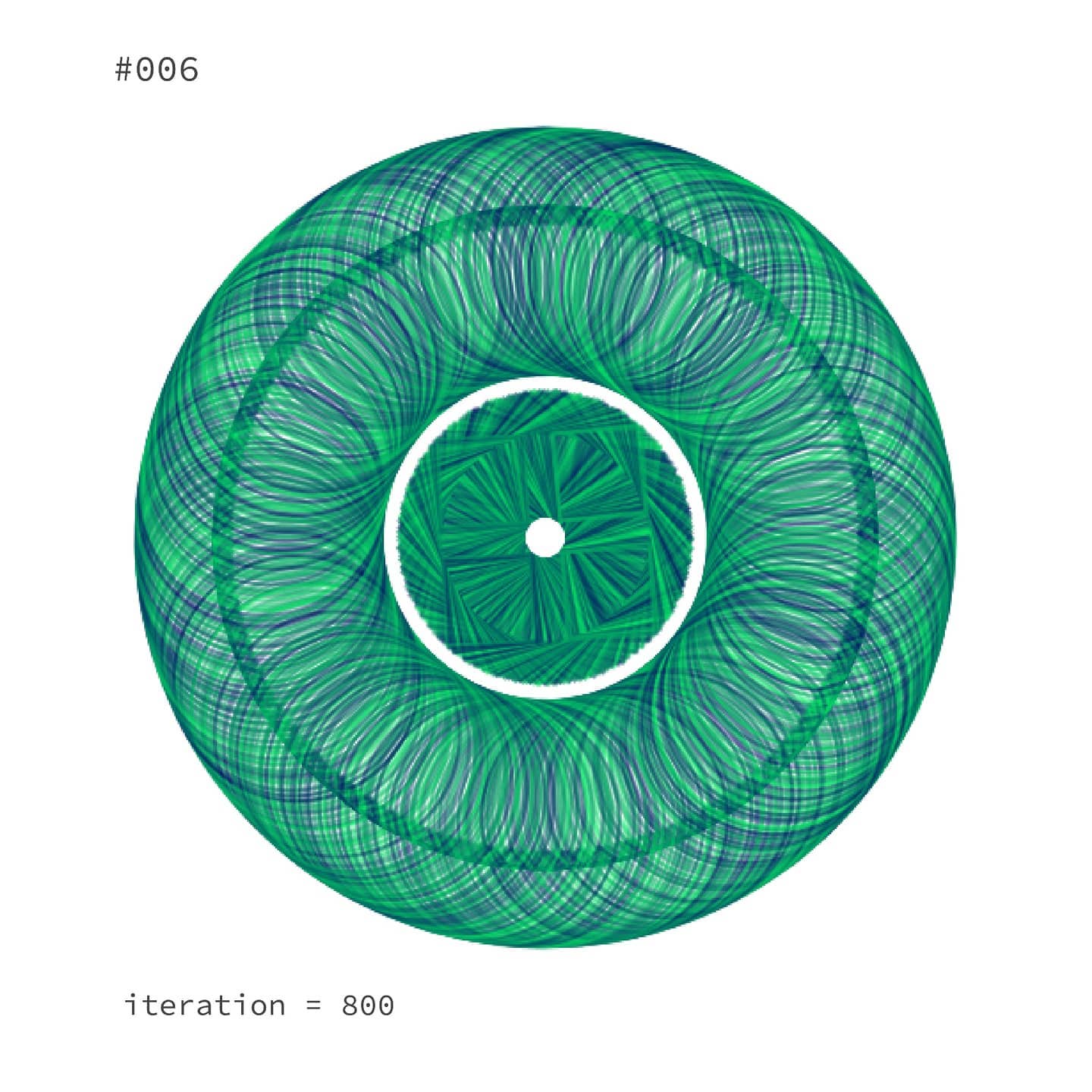
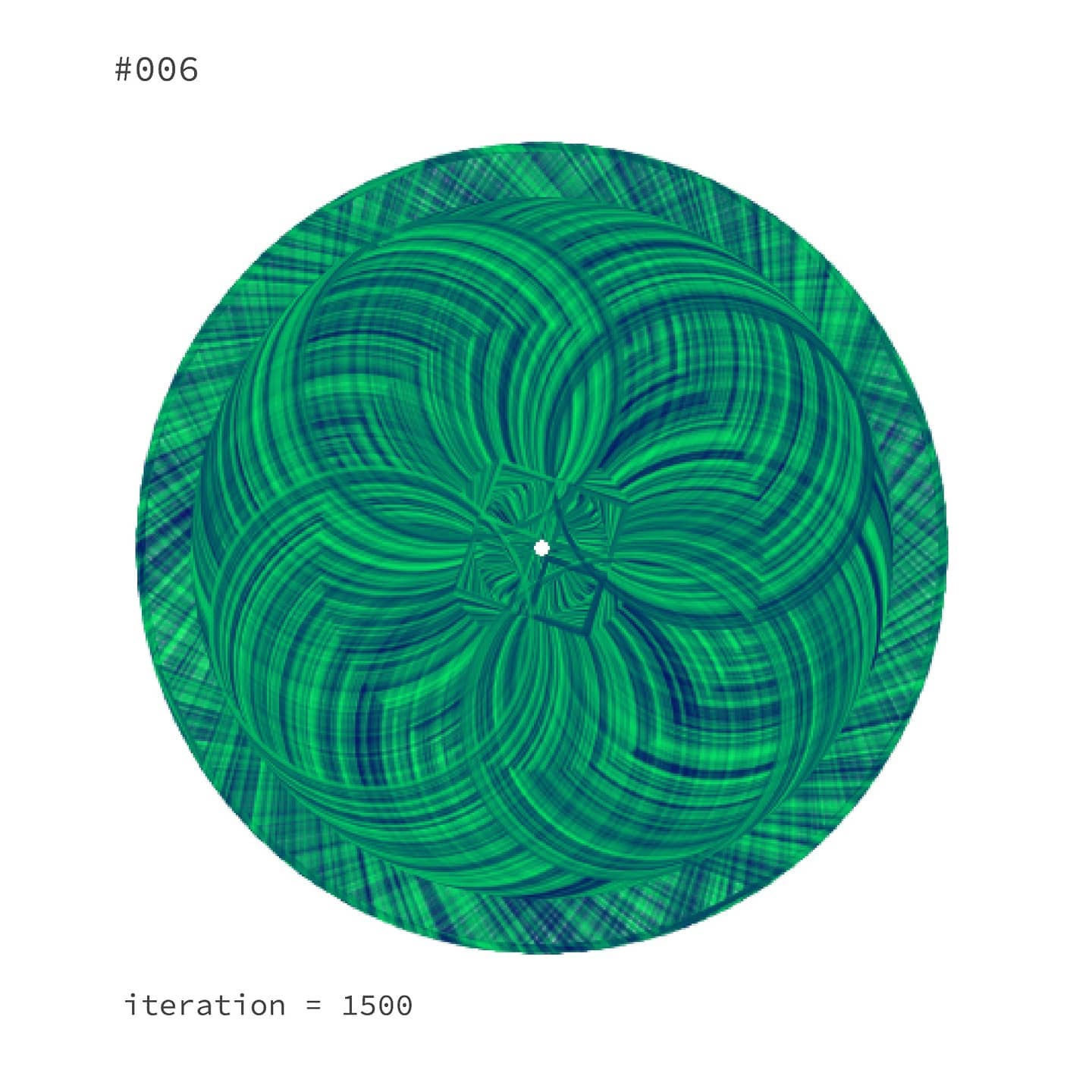
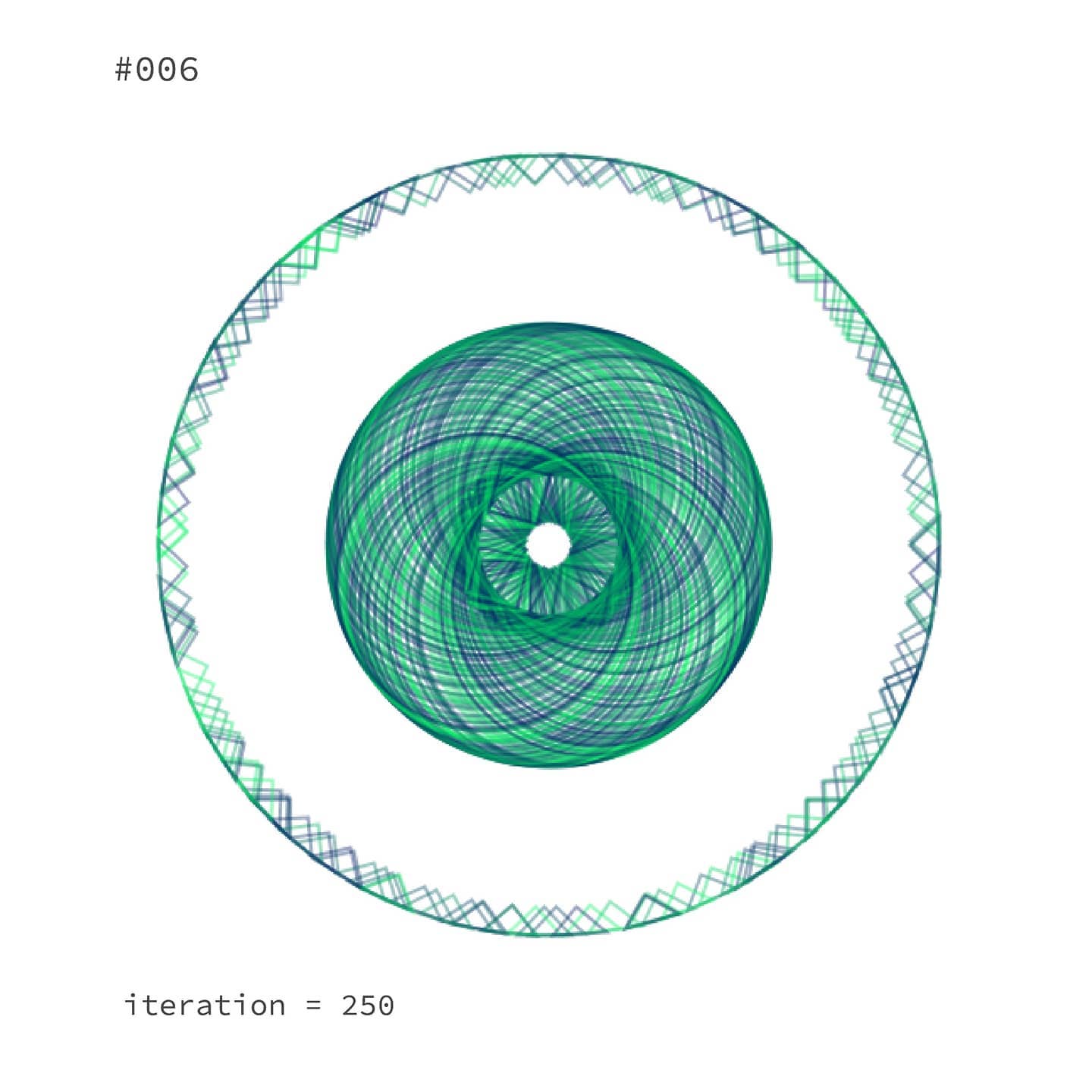
Generative studies

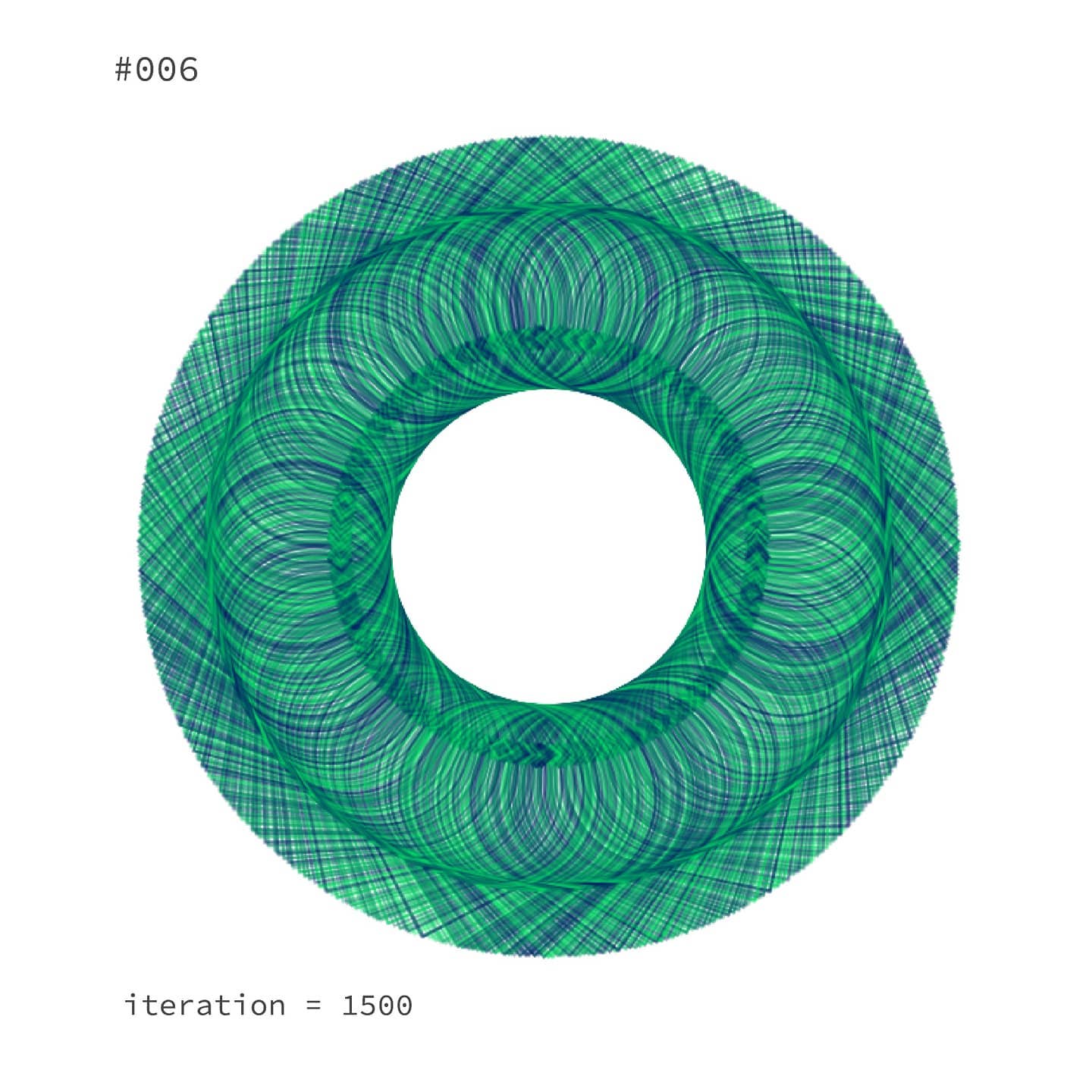
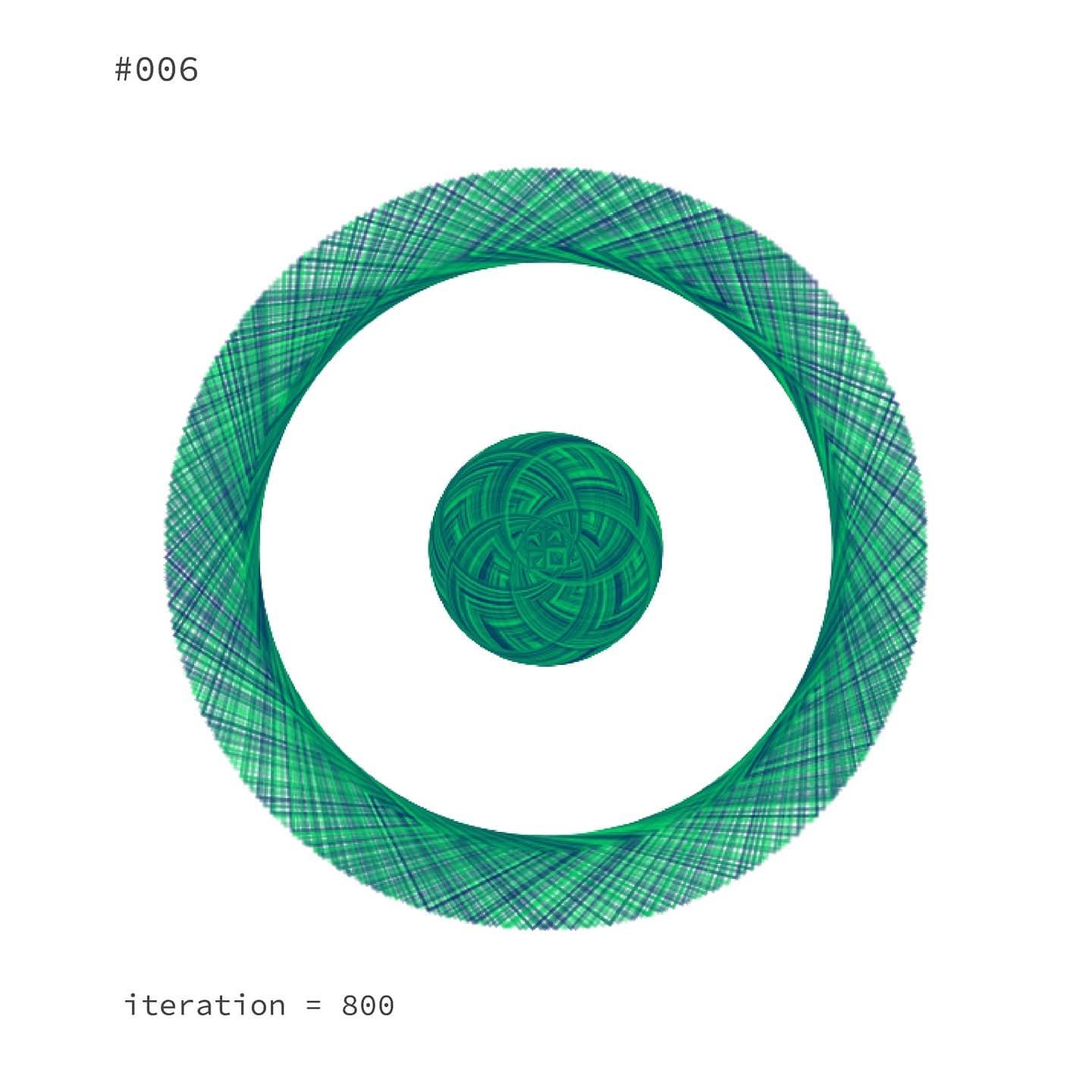
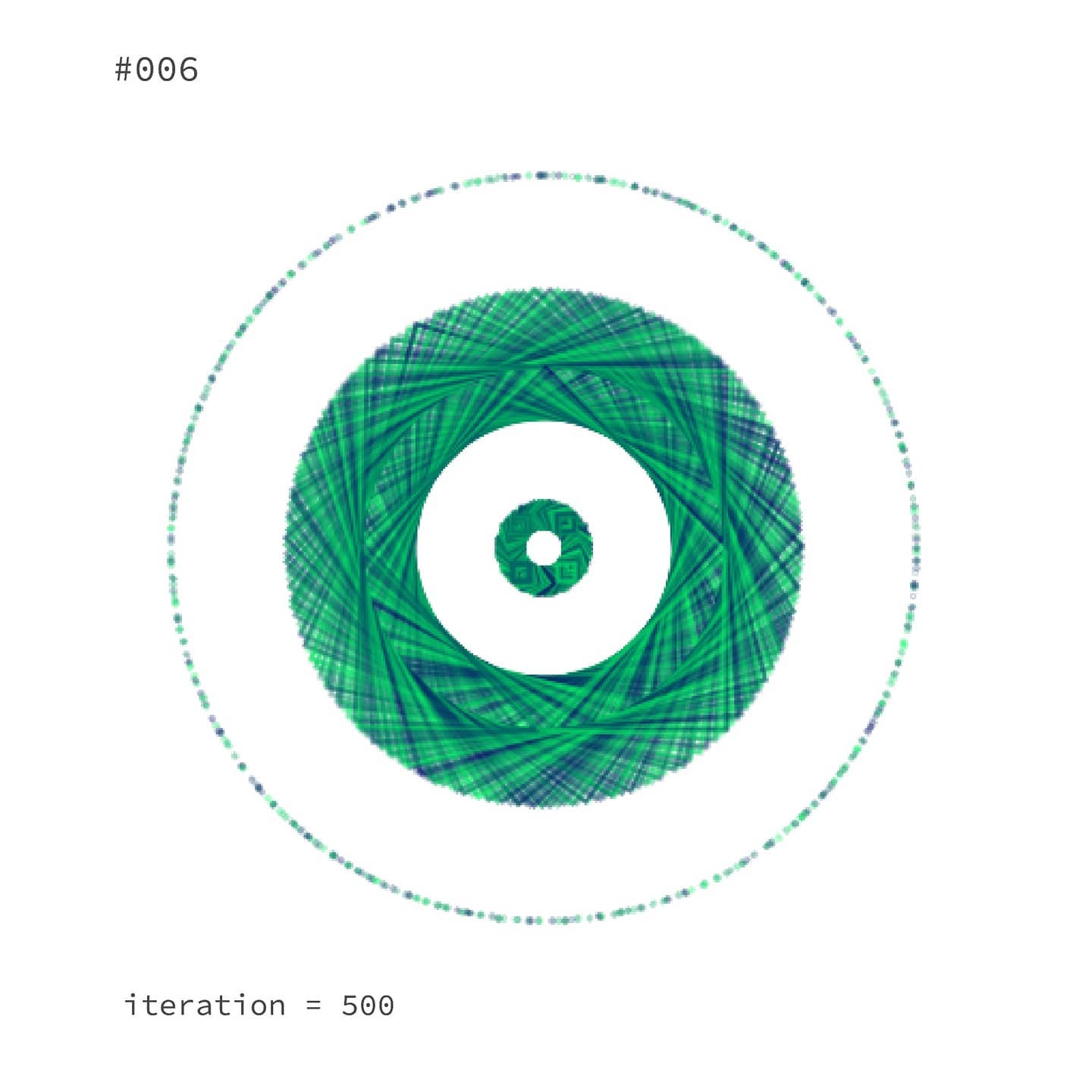
Short programs, mostly Processing. Some are a single output, some a set from changing the input, and a few respond to the mouse recorded.

042021

Ikat as a computational system

What it was

A 4-month, self-directed capstone: decoding the visual grammar of traditional Ikat weaving into a computational system, rather than reproducing its surface by hand.

What I did

Studied the weaving process at weaving centres before writing any code, reduced the pattern logic to 4 motifs across 3 grid structures, and wrote the rule set as a running 200-line program instead of hand-arranging convincing variations in a design tool.

What I found

The same motif × grid × colour logic that generated the original textile patterns generated interface and branding patterns just as well — the rule set was the reusable artefact, not the textile. It now runs a second time, ported to this site's own generative colour and pattern engine.

Read the full study