- Motif
- Chevron
- Colour
- —
- Hex
- —
- Grid
- Warp skew
Generative design · computational textile research
The origin of the method - De-Coding Ikat
Recognition: Merit Recognition, Srishti Institute, awarded for generative visual systems built in code, translating Ikat weaving logic into algorithmic design (Srishti Institute, 2021).
01: Intent
Exploring ideas through design, computation, and curiosity.
02: Why This Project
Motivation & Audience
Driven by a curiosity to bridge traditional craftsmanship and computational design, this project explores how generative systems can reinterpret Indian Ikat while preserving its underlying design principles. It is intended for designers, artists, researchers, and technologists interested in computational creativity, Indian visual culture, and craft-informed innovation.
03: Key Insight
What changed the thinking?
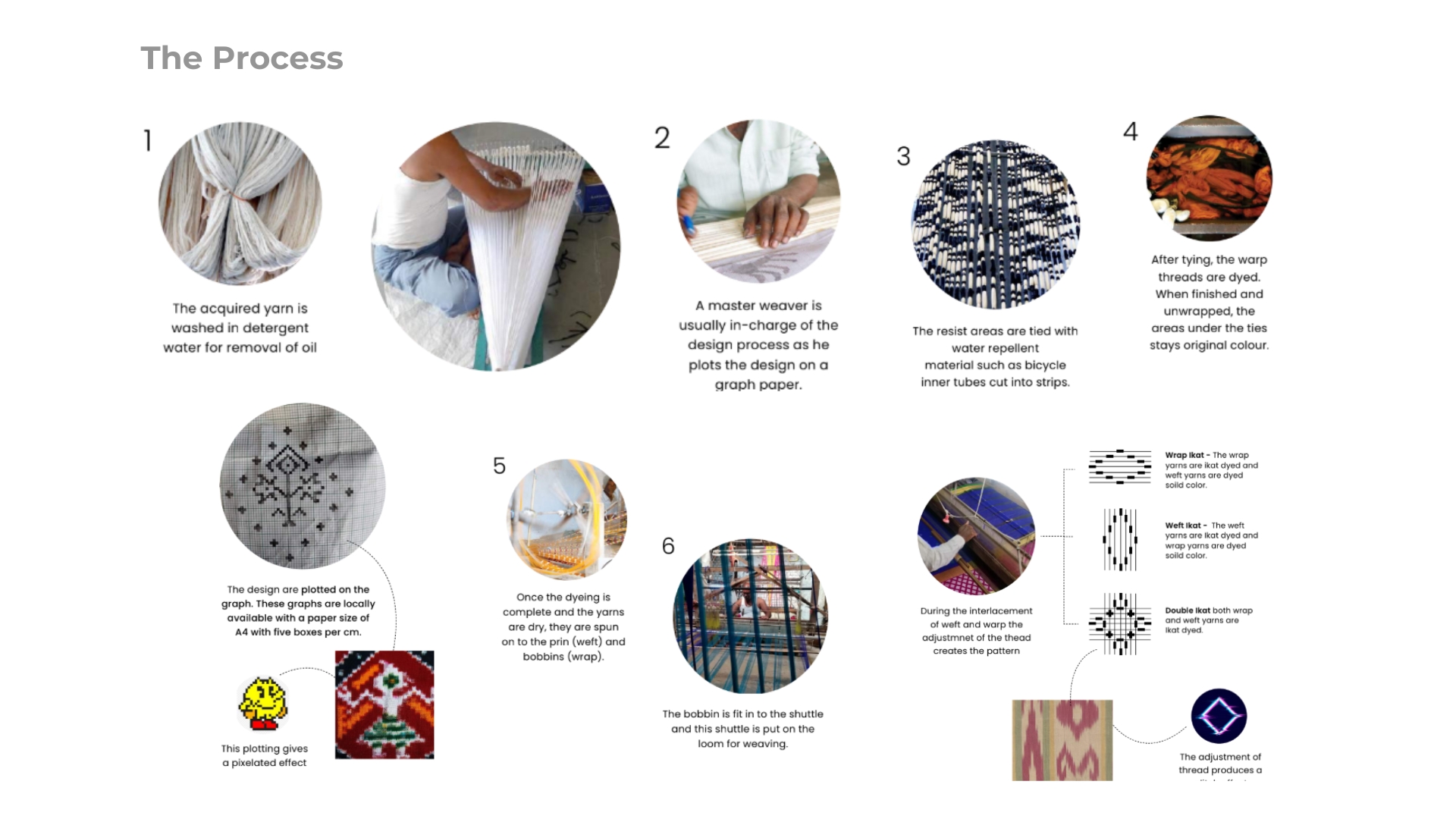
Field research revealed that Ikat is more than a visual style, it is a rule-based design system. Understanding the relationships between motifs, repetition, grids, colour, and weaving techniques became the foundation for translating the craft into a computational framework.
04: Decoding Ikat
Decoding the Design Grammar
The next step was to decode Ikat's visual grammar. By studying motifs, repetition, grid systems, and vertical, horizontal, and double Ikat constructions, I extracted the design principles that govern the craft. These rules were later translated into a generative framework capable of producing new, meaningful variations.
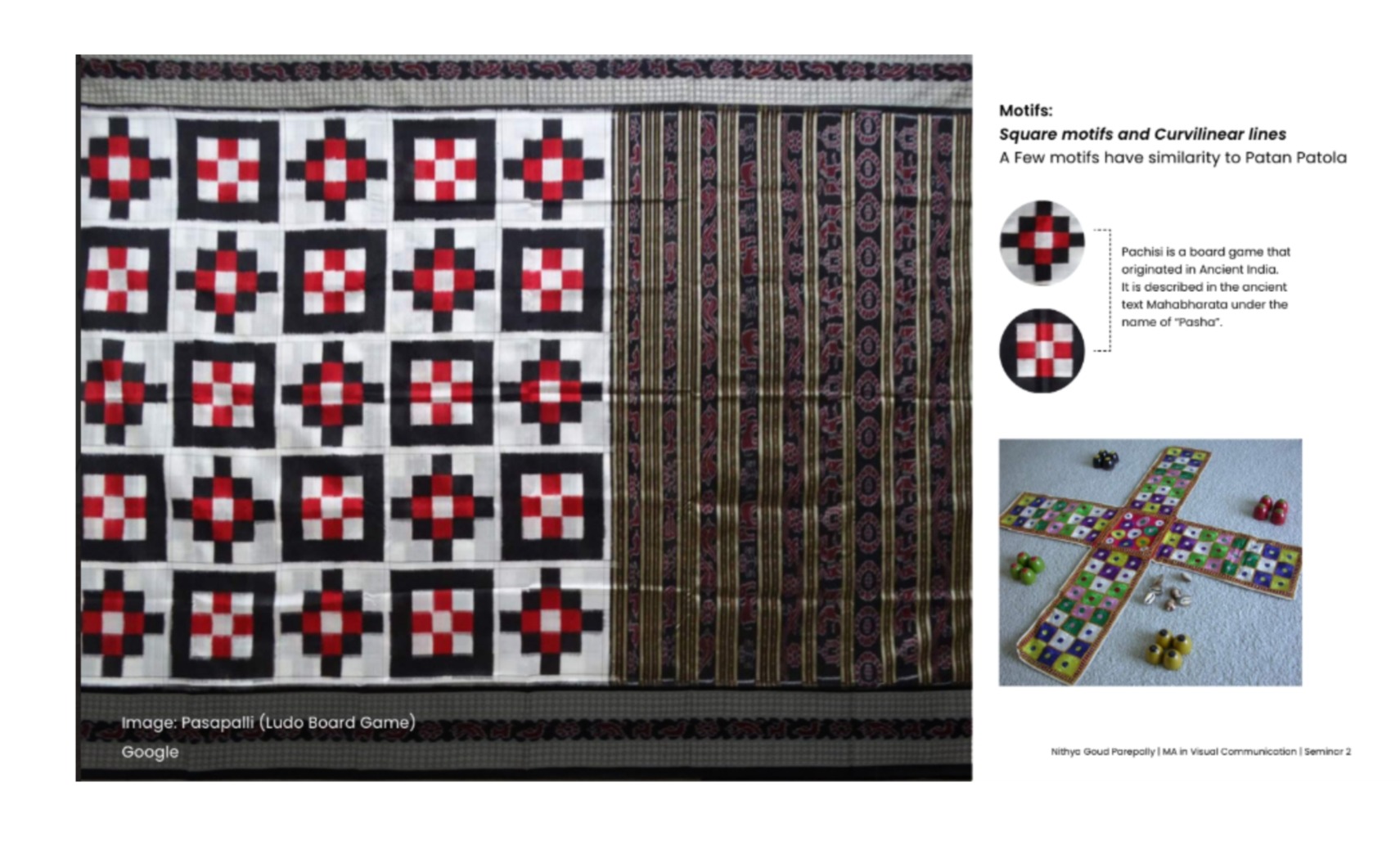
Ikat patterns show a striking resemblance to the layout of Pachisi, a traditional Indian board game: the insight that reframed this from imitating a pattern to decoding a grid.
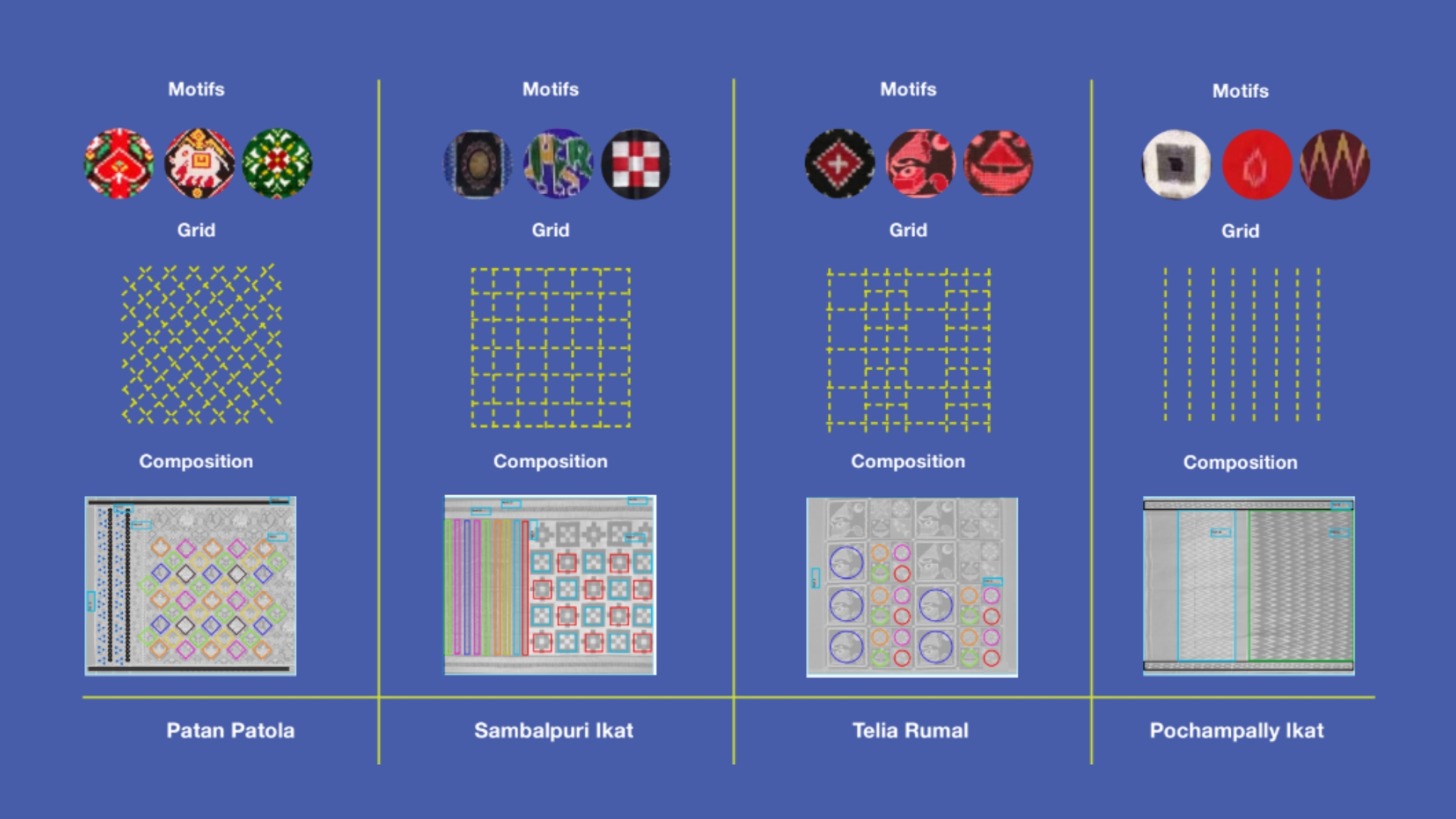
Pattern deconstruction across vertical, horizontal, and double-pattern structures, identifying the motifs and grids that became the generator's rule set.
05: Designing the System
Building the Generative System
With the design grammar established, I translated motifs, grid structures, and colour relationships into a rule-based computational framework. Through continuous experimentation and iteration, I refined the constraints to ensure each generated pattern remained visually distinct while staying true to the principles of traditional Ikat.
06: Prototype
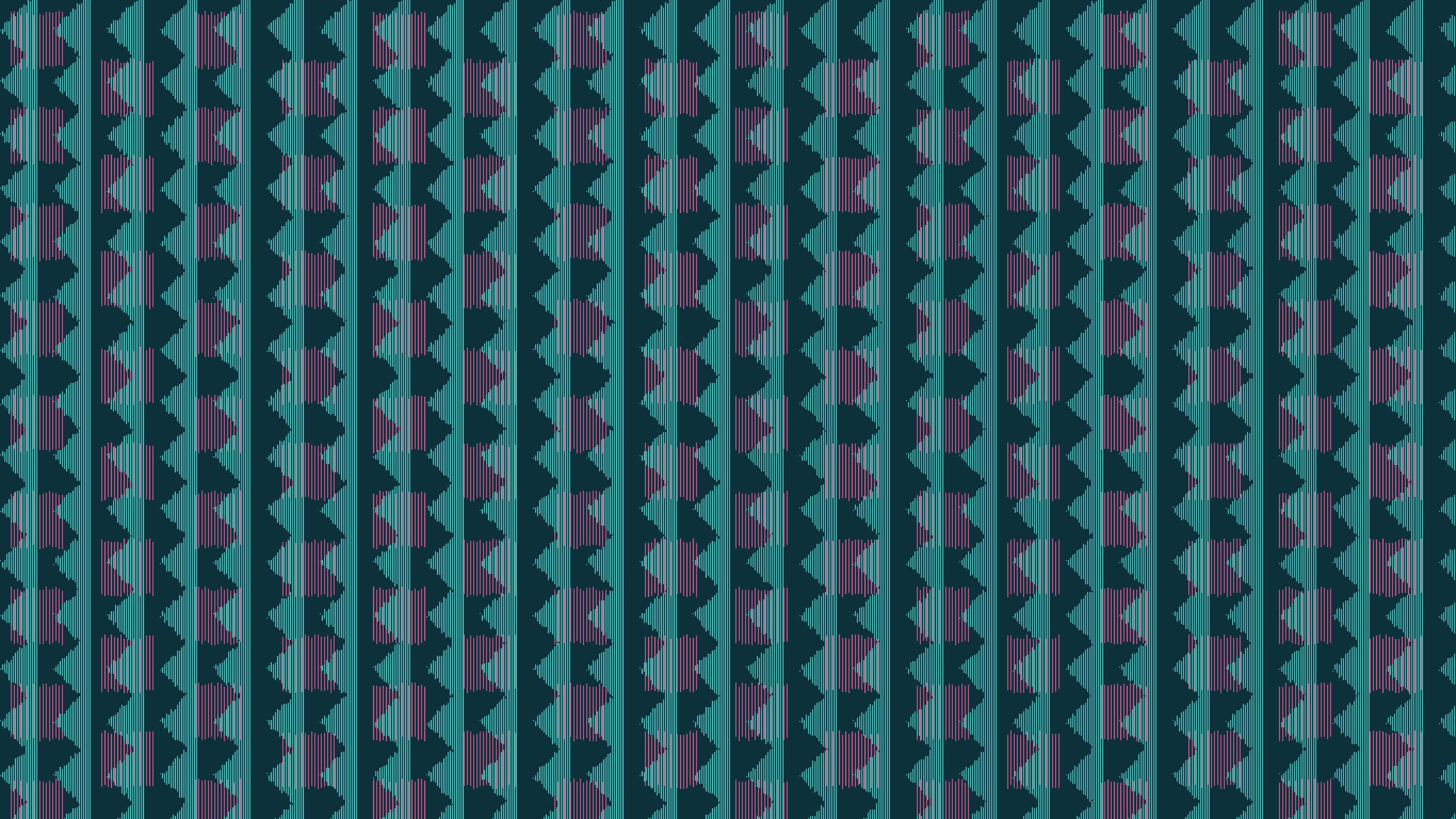

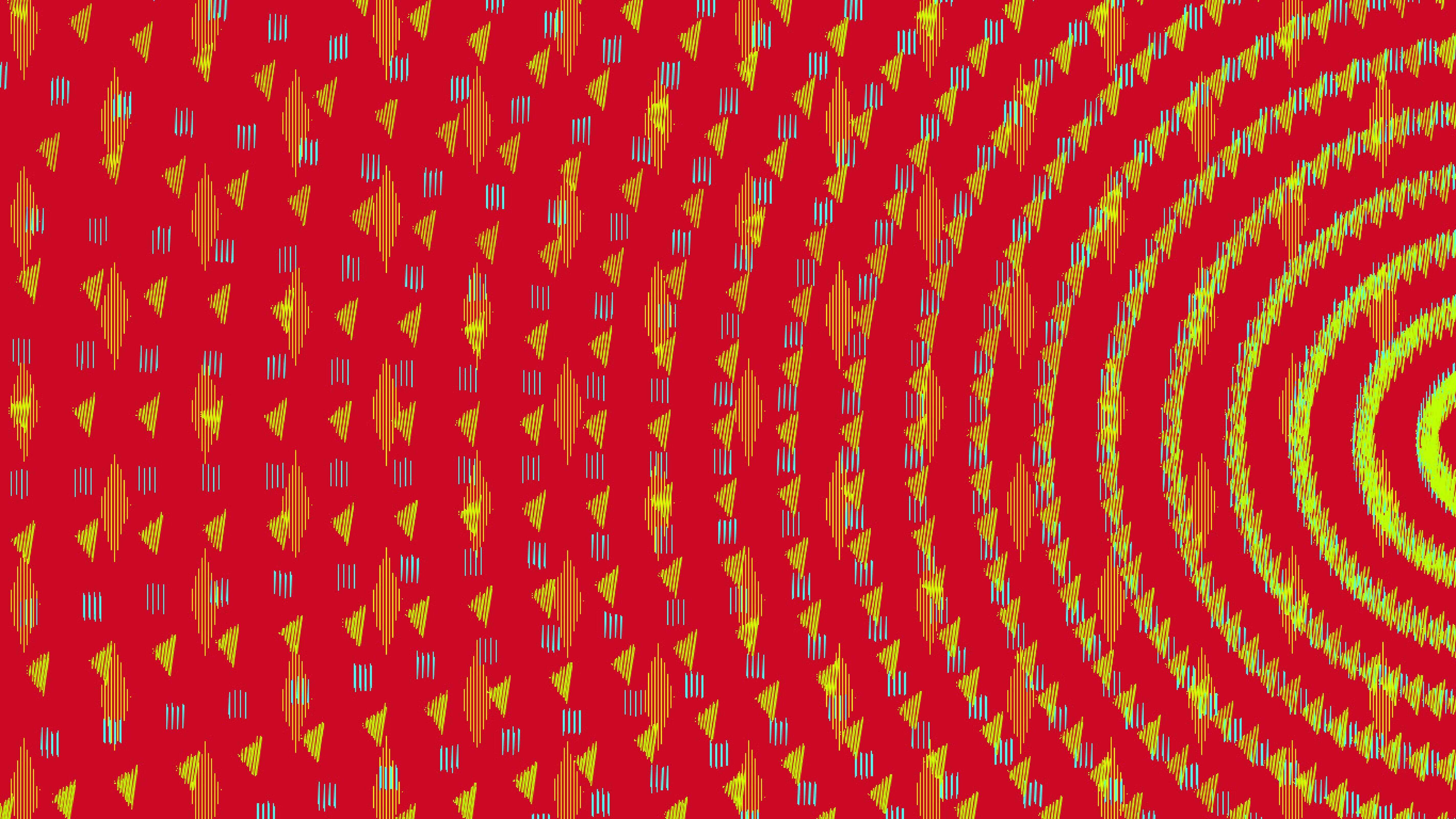
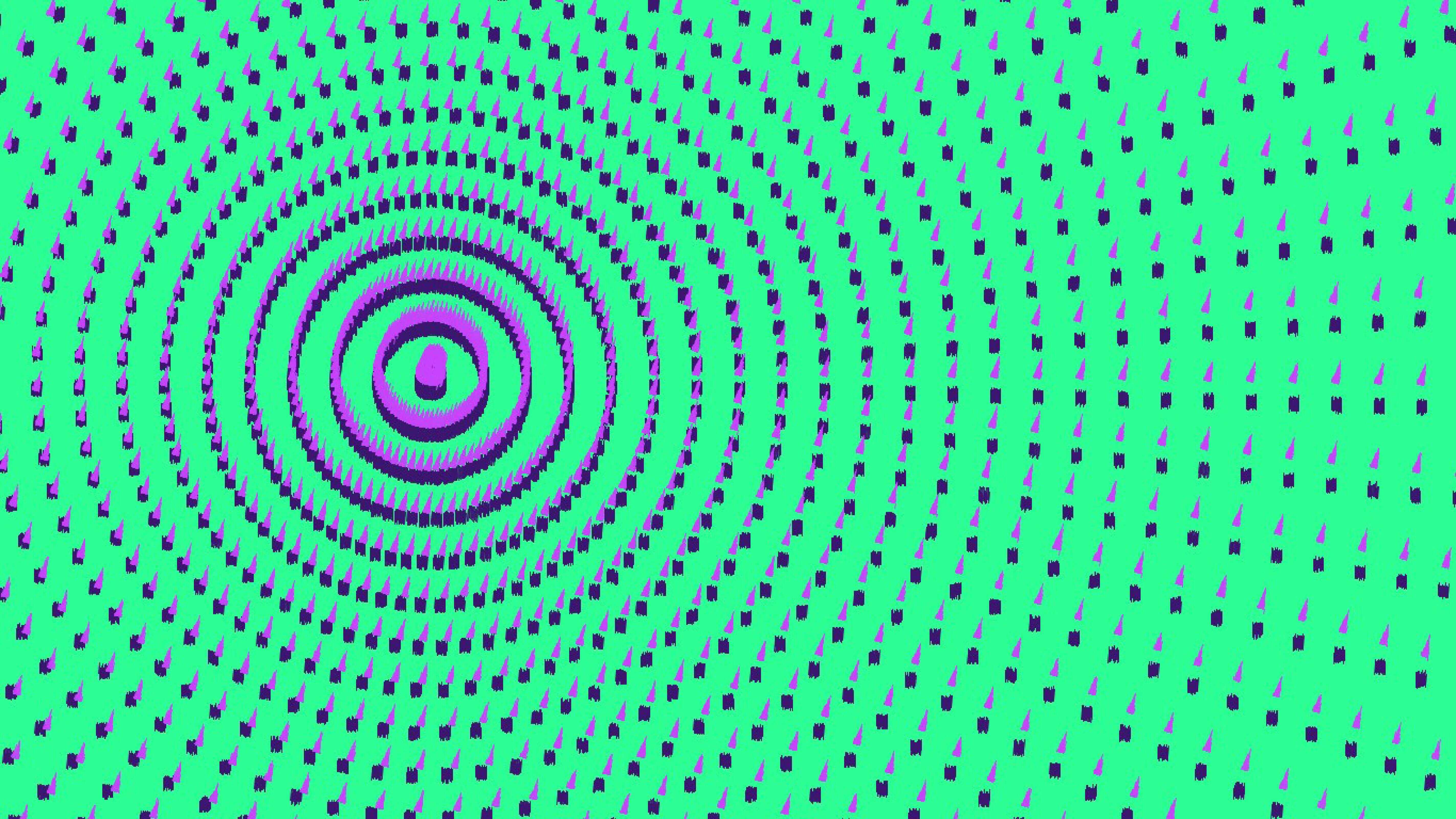
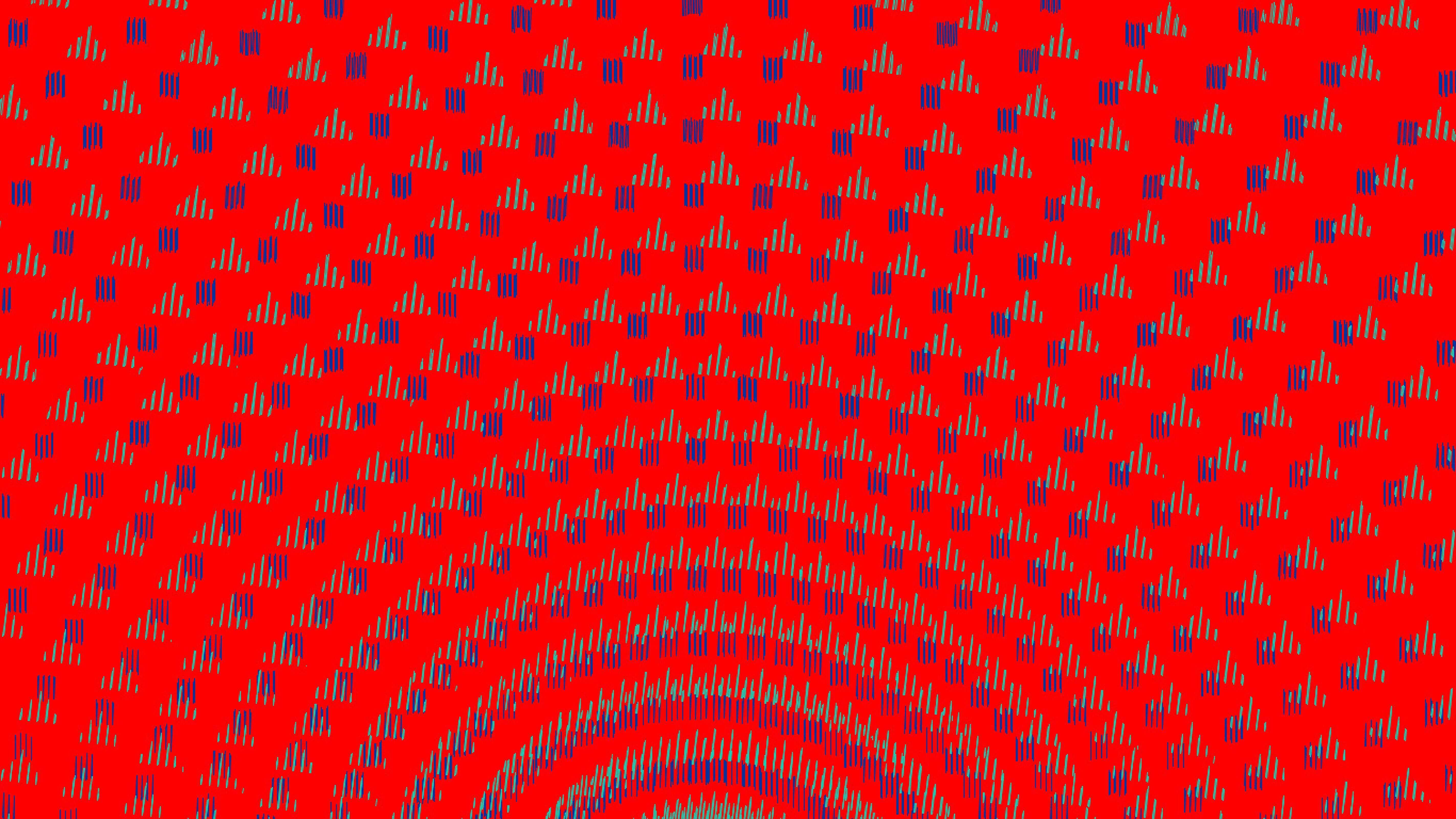
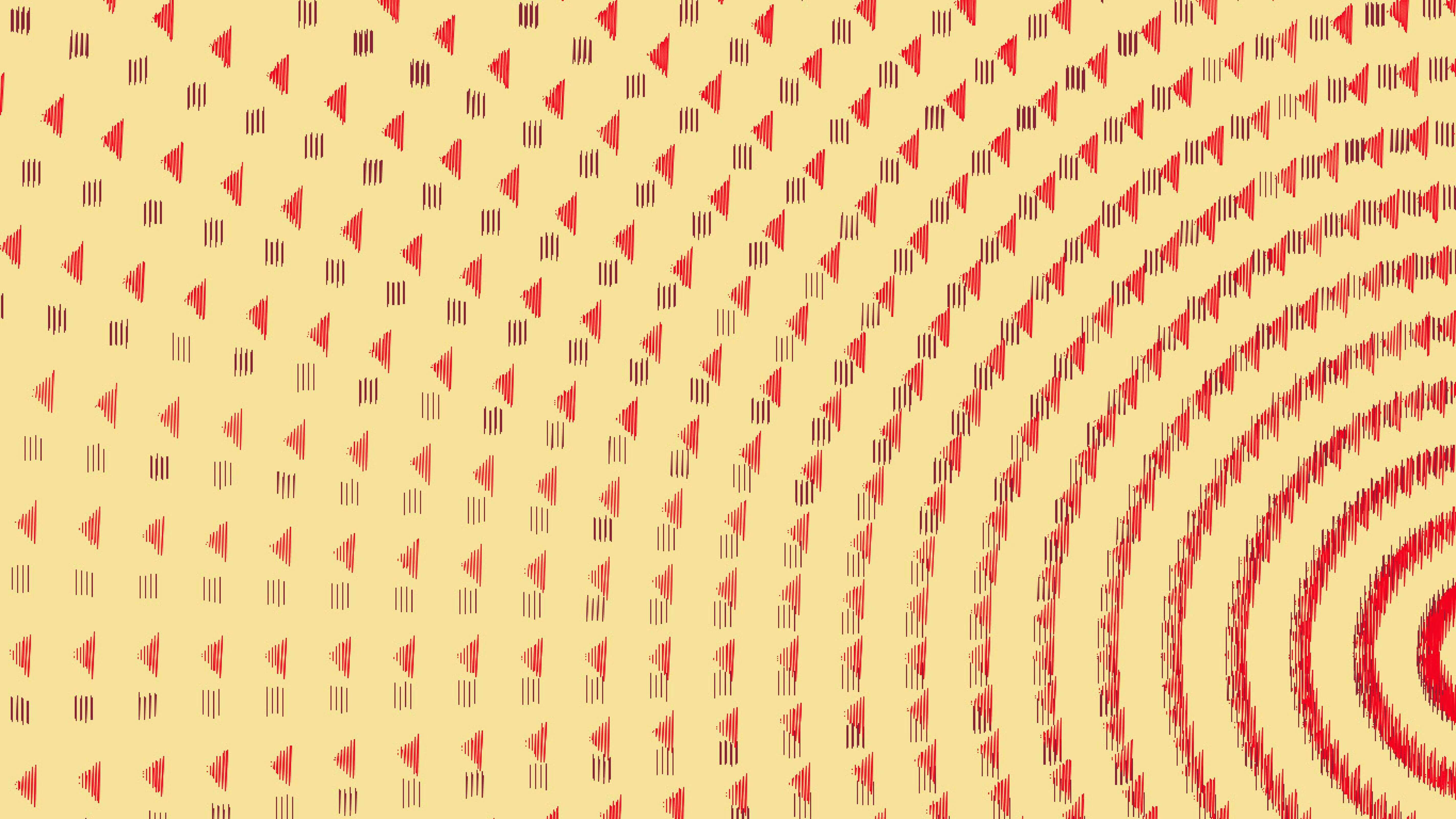
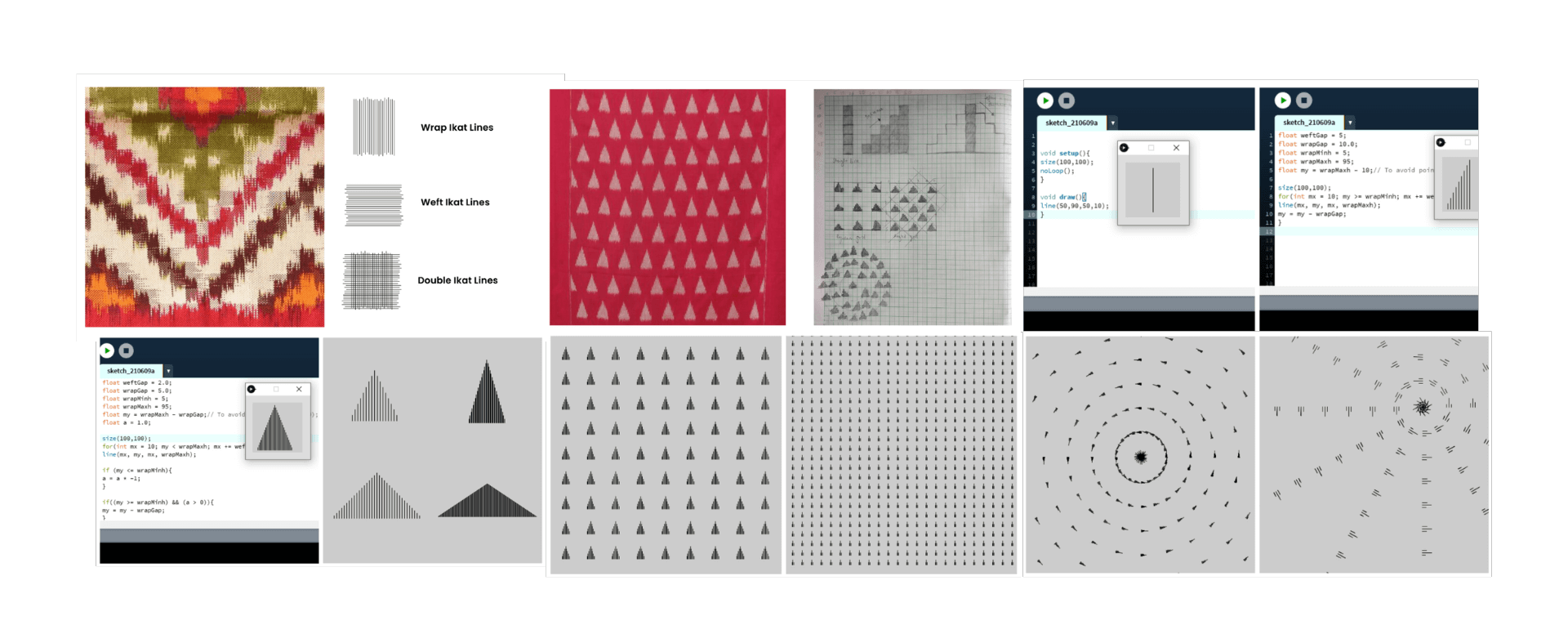
Six outputs of the 200-line generative program: 4 motifs, 3 grids, randomised colour, producing 'n' patterns from one rule set.
07: Built with engineering
For the engineers in the room
Feasibility constraints
- The rule system had to run as actual code (Processing/Java-based), not be simulated by hand-arranging outputs
- Constrained to 4 motifs and 3 grids by design, so the combinatorial space stayed traceable back to the field research rather than becoming arbitrary generative noise
- Colour was randomised within the program, an early, less disciplined version of the constrained-hue approach this site's own generative accent now uses
Handoff artefacts
- 200 lines of Processing implementing the motif × grid × colour rule set
- Generated pattern outputs applied directly to branding and interface mockups, treating the generator as a production tool, not a one-off visual experiment
Writing the generator as code rather than arranging patterns by hand was slower up front and is the entire reason the system could later be ported: the same logic now runs, rebuilt, as this site's own generative colour and pattern engine.
08: Decisions
Decision 01
Study the weavers before writing a line of code
What was true
Ikat's complexity is widely photographed and referenced, but the weaving logic that produces it is much harder to find written down anywhere.
What I chose
Visited weaving centres to observe the resist-dye and weaving process directly, grounding the pattern analysis in practice rather than in archival images alone.
What I moved away from
Working solely from photographs and existing pattern references: faster, but it would have meant encoding the surface pattern without the logic that generates it.
What it cost
The early focus on research and pattern analysis slowed the transition to coding, but it ensured the generative system reflected the logic of Ikat rather than just its appearance.
Decision 02
Decode motif and grid as a variable system, not a fixed template
What was true
Existing Ikat patterns look highly varied at a glance, but the field analysis showed the variation came from a small number of motifs recombined across a small number of grid structures, including a striking resemblance to the grid of Pachisi, a traditional Indian board game.
What I chose
Reduced the design space to 4 core motifs across 3 grid structures, so the apparent randomness in the generated output is a constrained combinatorial system, not arbitrary noise.
What I moved away from
A purely generative, noise-driven approach to pattern-making: visually interesting, but not defensibly 'Ikat' in any way that honoured the source.
What it cost
Deliberately narrowed the visual range of the output compared to what unconstrained generative art could have produced.
Decision 03
Build the generator in code, not simulate it in a design tool
What was true
The rule system (motif × grid × colour) could have been mocked up as a set of hand-arranged compositions in a design tool, which would have looked just as finished in a portfolio.
What I chose
Wrote the rule system as an executable, 200-line Processing program, so the rules were literally running, and every pattern shown was generated, not placed by hand.
What I moved away from
Hand-arranging convincing variations in Illustrator or Figma: faster to a polished deck, but an illustration of the idea rather than a demonstration of it.
What it cost
Meant working in code, under an art-school timeline, rather than in the tools the rest of the program was built around.
09: Reflection
This is the project I'd point to if someone asked what I actually believe about design: find the grammar inside something that looks unstructured, express it as rules, and let the rules generate consistent, coherent surfaces. That's not a description of generative art: it's a description of a design system. It's why an enterprise validation workflow and a woven pattern are the same kind of problem to me. The generative colour you were given when you landed on this site, and the accent running through it, came from this rule set. Now you know why.